
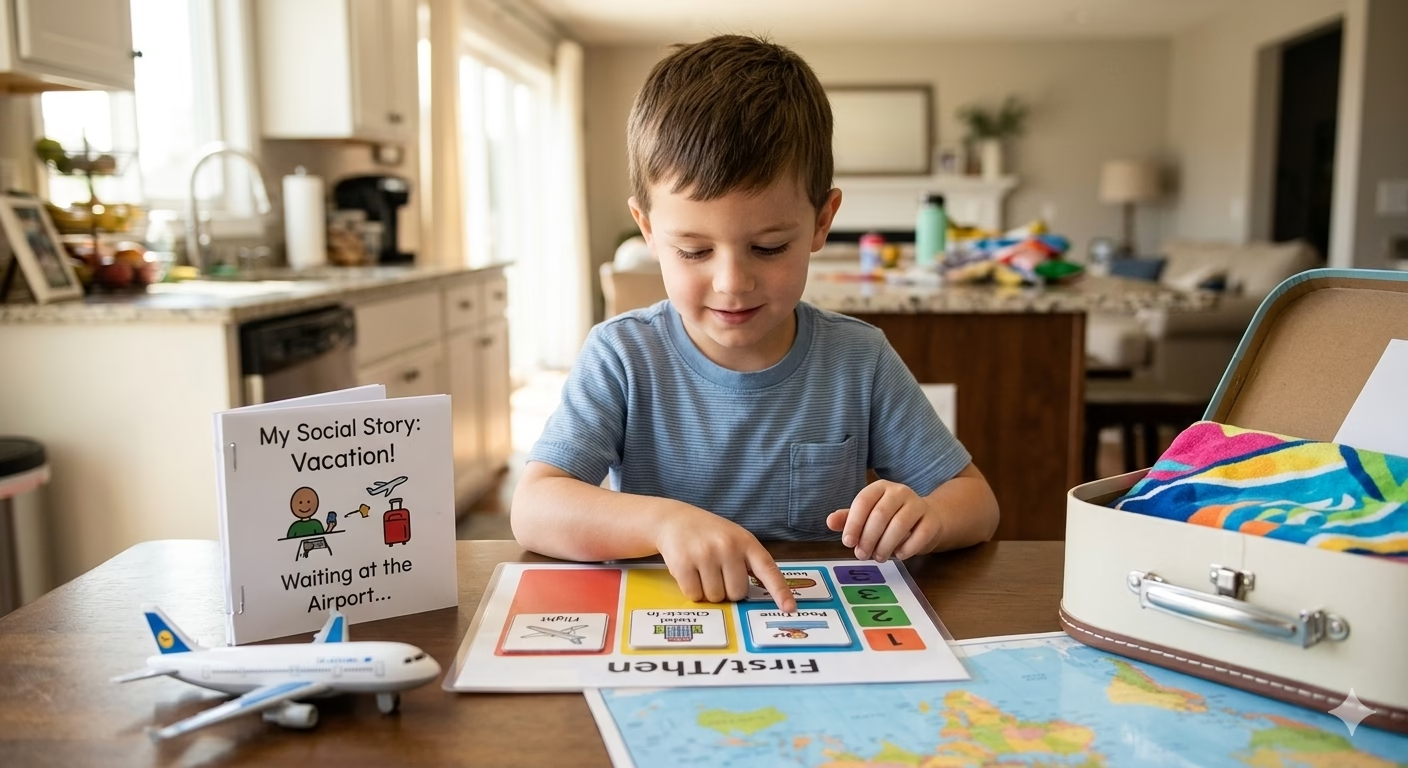
Vacations are wonderful opportunities to make family memories. However, travel means leaving behind familiar routines. For autistic children, this sudden change can cause major anxiety. New sights, sounds, and unpredictable schedules can quickly lead to sensory overload.
The secret to a successful trip is preparation. You can remove fear of the unknown by making the vacation predictable. Two of the best tools for this are social stories and visual schedules.
Here is a simple, step-by-step guide to creating and using these tools for your next trip.
1. What is a Vacation Social Story?
A social story is a short, simple narrative. It explains what your child will experience during a specific event. It uses clear language and visual aids to describe step-by-step transitions.
By reading the story together before you leave, your child learns exactly what to expect. This lowers anxiety and builds confidence.
How to Create Your Travel Social Story:
- Use Real Pictures: Do not rely on generic clip art. Go to your airline’s or resort’s website. Screenshot photos of the airplane cabin, the hotel lobby, the pool, and the bedroom.
- Keep Sentences Short: Write from your child’s point of view. Use simple sentences like: “First, we will wait in a long line at the airport. The airport might be loud, but I can wear my headphones.”
- Focus on Sensory Details: Describe the sensations they will encounter. Mention the feeling of the airplane seatbelt, the smell of sunscreen, or the sound of the ocean waves.
- Normalize Waiting: Traveling involves lots of waiting. Include specific coping strategies in the story: “When we wait in line, I can play with my tablet or hold my favorite toy.”
2. Setting Up a Travel Visual Schedule
A visual schedule uses icons, drawings, or photos to show the order of daily events. While home routines are flexible, travel routines need clear boundaries. A visual schedule gives your child a sense of control over their day.
Best Practices for Your Schedule:
- Use a First/Then Format: Break the day into bite-sized pieces. For example: “FIRST we put on sunscreen, THEN we go to the pool.”
- Make it Interactive: Use a laminated sheet with Velcro icons. Let your child physically pull off the icon and move it to a “Done” box when a task finishes. This tactile action provides a satisfying sense of completion.
- Keep it Portable: Bring a travel-sized version in your backpack. You can also build a digital visual schedule on a tablet using icons.
3. A Sample Daily Itinerary Layout
When building your travel visual schedule, structure your travel day with clear, predictable blocks. Here is an easy layout you can adapt for a resort arrival day:
| Time Block | Activity Icon / Description | Sensory Checklist |
| Morning | ✈️ Flight and Airport | Noise-canceling headphones ready for the plane engine. |
| Midday | 🚗 Taxi or Shuttle Ride | Favorite tablet game or comfort object available during the drive. |
| Afternoon | 🏨 Hotel Check-In & Unpacking | Unpack familiar items first (like a favorite pillowcase) to make the room smell and feel like home. |
| Late Afternoon | 🌊 Quiet Beach Walk | Polarized sunglasses to block intense sun glare off the water. |
| Evening | 🍽️ Balcony Dinner (Room Service) | Predictable, familiar snacks to avoid food texture issues on night one. |
4. When to Start the Preparation
Do not introduce these tools the morning of your trip. Introduce them gradually to give your child time to process the information.
- Two Weeks Before: Start reading the social story together once a day at bedtime. Treat it like a regular storybook.
- One Week Before: Introduce the visual schedule template. Practice moving the icons around using a normal school or weekend day.
- Three Days Before: Walk through the specific “Travel Day” schedule icons so the sequence becomes familiar.
5. Embrace the Power of Flexibility
Even with perfect planning, travel changes happen. Flights get delayed and weather changes.
Always include a “Surprise Icon” or a “Change of Plans Card” in your toolkit. Introduce this card in your social story early on: “Sometimes plans change, and that is okay. We will look at our schedule card to see our new fun activity.”
By taking the mystery out of travel, you give your child the tools they need to regulate their senses and enjoy the adventure.
💬 What about you? Have you ever used a social story or a visual schedule for a family vacation? What trick worked best for your child? Let us know in the comments below!