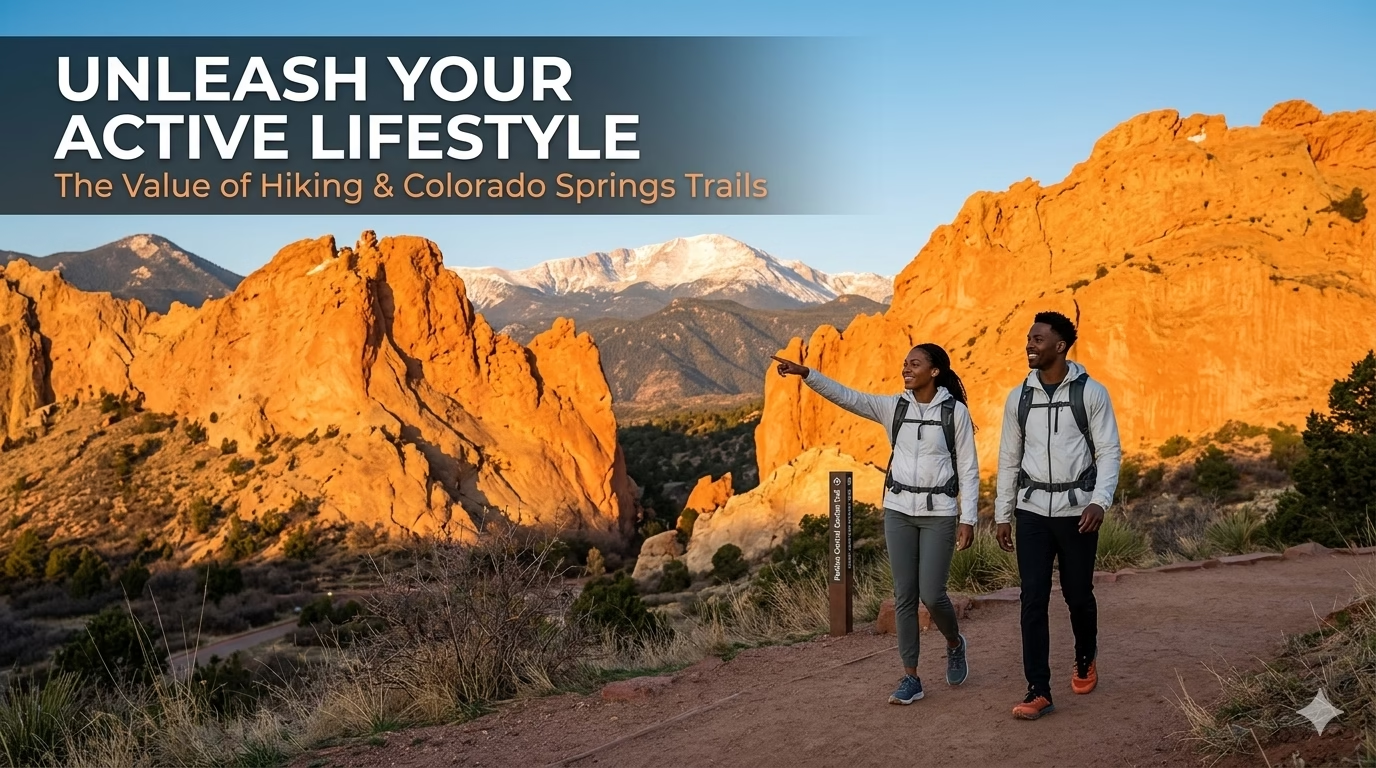
In our fast-paced, digitally dominated world, finding a true sense of balance can feel like an uphill battle. We track our steps, optimize our diets, and schedule gym sessions, yet often miss the most primitive and holistic form of movement available to us: putting one foot in front of the other on a dirt path.
Incorporating hiking into an active lifestyle isn’t just about burning calories or checking off a fitness goal. It is a fundamental lifestyle shift that combines functional physical conditioning with profound mental restoration. Whether you are exploring a local greenway, wandering through a nearby city park, or tackling a rugged backcountry trail in a state park, hiking offers unique wellness benefits that a treadmill simply cannot replicate.
1. The Anatomy of a Hike: Why Trails Beat the Gym
From a physiological standpoint, walking on uneven natural terrain is vastly superior to walking on a flat, motorized belt.
When you step onto a trail, your body enters a multi-planar playground. Every rock, root, and sudden incline forces your ankles, calves, and core to make split-second micro-adjustments. This dynamic movement strengthens stabilizer muscles that are completely ignored during linear gym workouts, drastically improving your overall balance and agility.
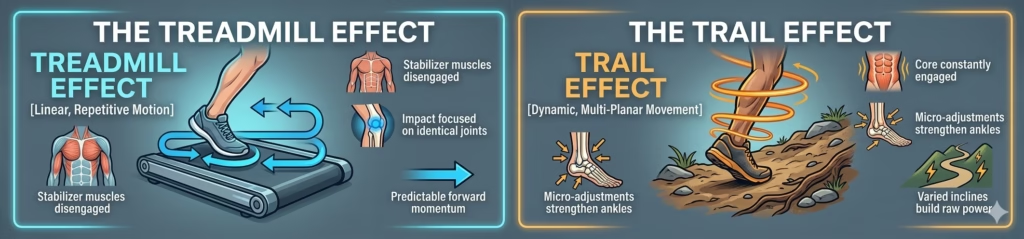
Furthermore, hiking acts as a form of natural zone-2 cardio—the optimal heart rate zone for building cardiovascular endurance, burning fat, and increasing metabolic health—all while the beauty of your surroundings distracts you from the actual physical exertion.
2. A Trail for Every Lifestyle: Local, Regional, and State Parks
One of the greatest misconceptions about hiking is that it requires an expensive plane ticket to a remote mountain range. An active lifestyle is built on consistency, and hiking adapts seamlessly to wherever you live.
Local Urban Trails & Greenways
These are the unsung heroes of daily movement. Found right in your backyard, neighborhood multi-use trails and paved greenways are perfect for crisp morning walks or winding down after a long day at a desk. They require zero travel time and provide an immediate escape from city concrete.
Local City Parks & Open Spaces
Stepping up to local open spaces introduces dirt tracks, rolling hills, and a closer connection to native flora and fauna. These areas provide the perfect environment for a spontaneous weekend morning trek or a quick, higher-intensity trail run without leaving city limits.
State Parks & National Forests
When you have a full day or a weekend to dedicate to the trail, state parks offer a deeply immersive backcountry experience. With miles of highly maintained, interconnected trail systems, significant elevation gains, and deeper pockets of wilderness, these protected lands allow you to push your physical limits and unplug completely from cellular networks.
3. Spotlight: Our Recent Footpath Exploration in Colorado Springs
To see the absolute pinnacle of what a trail-integrated lifestyle looks like, look no further than Colorado Springs, Colorado. We recently spent time exploring this high-altitude haven, and it quickly became apparent why the region is universally celebrated as an outdoor mecca.
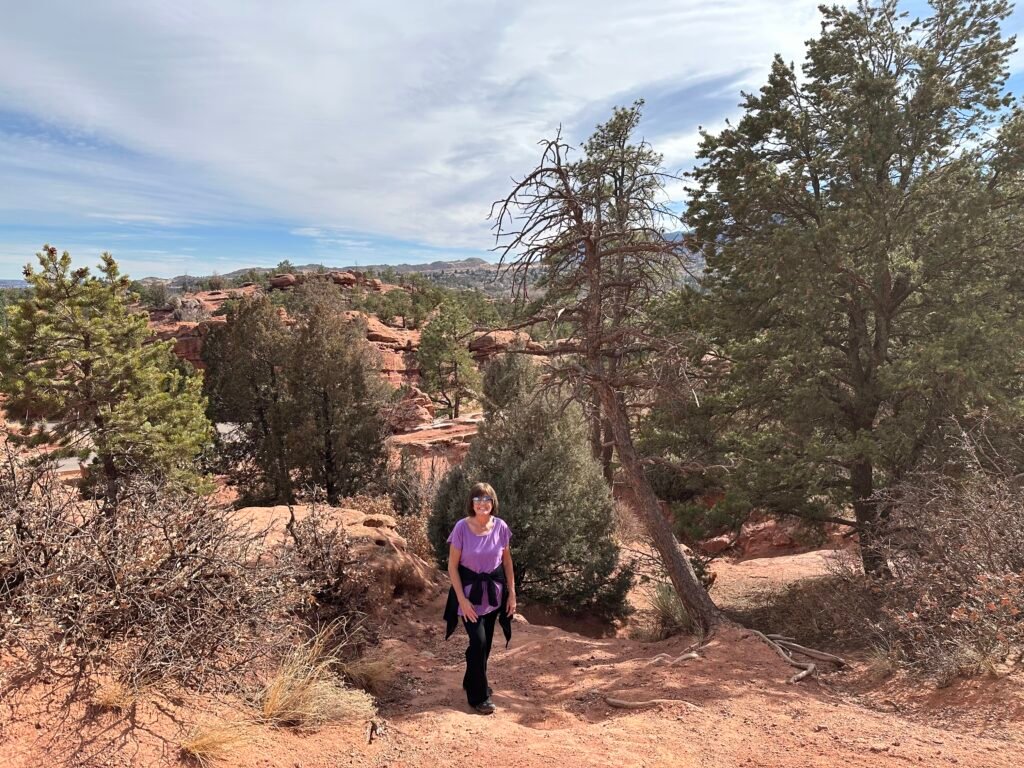
Nestled right against the dramatic eastern edge of the Rocky Mountains, Colorado Springs seamlessly blends urban living with world-class trail systems incorporating more than 350 miles. While we only hit 5% of these trails, here are a few standout highlights from our time exploring the local dirt:
Garden of the Gods Park
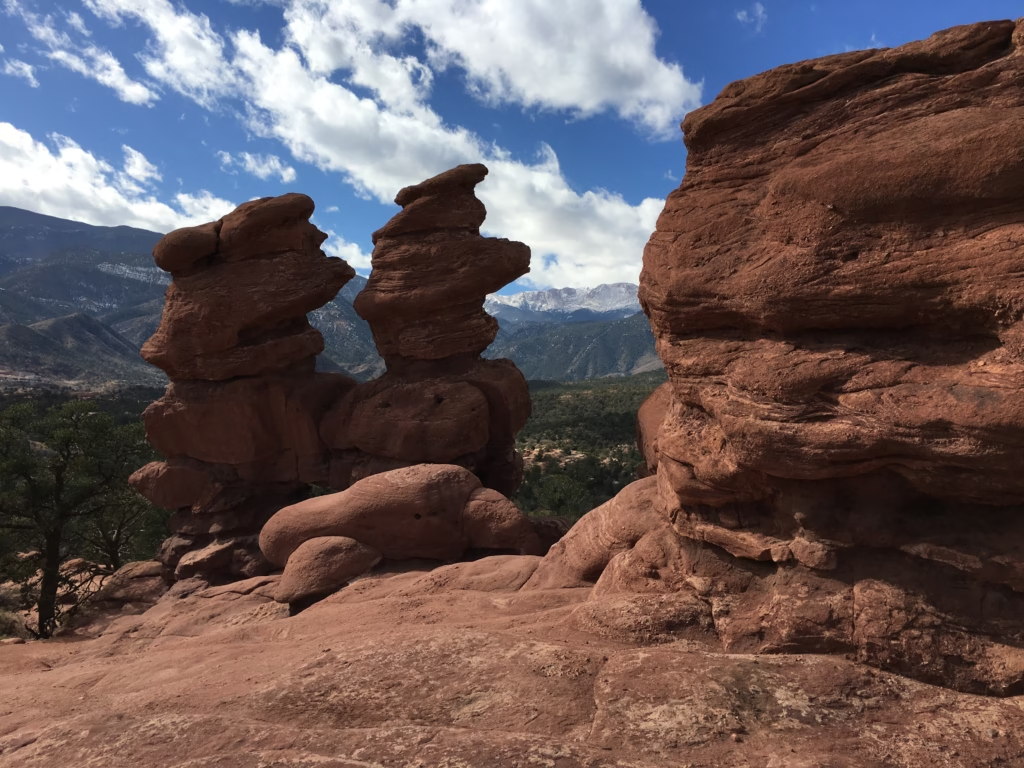
You cannot talk about Colorado Springs without mentioning this stunning National Natural Landmark. Walking through the Perkins Central Garden Trail, we were surrounded by towering 300-foot fins of radiant orange and red sandstone, sharply juxtaposed against a backdrop of snow-dusted Pikes Peak. The park features a brilliant mix of paved, accessible paths and rugged perimeter loops like the Siamese Twins Trail, proving that world-class hiking can be accessible to every fitness level.
Red Rock Canyon Open Space
Located just across the highway from Garden of the Gods, this massive local open space quickly became our favorite spot to escape the crowds. Red Rock Canyon feels like a local secret. We hiked along ancient parallel ridges (called hogbacks) and historic stone quarries used by wild-west pioneers. The Mesa Trail offered us sweeping, elevated vistas of the entire city basin on one side and a frame of deep pine forests on the other.
North Cheyenne Cañon Park
For a deep-woods alpine experience, we drove up into this canyon and tackled the Seven Bridges Trail. Following a rushing mountain creek, this trail crosses seven charming, historic log bridges as it climbs through Douglas-fir forests and rugged granite bluffs. The cooler air, the soothing rush of cascading water at nearby Helen Hunt Falls, and the steep mountain switchbacks provided an incredible physical challenge and a masterclass in nature immersion.
The Manitou Incline
The Manitou Incline is a legendary fitness challenge that climbs over 2,000 vertical feet in less than a mile up an extreme, historic staircase of over 2,700 railroad ties. While we quickly realized our lungs weren’t quite ready to tackle the grueling vertical endurance test of the famous Manitou Incline, pivoting to the region’s other footpaths turned out to be a blessing in disguise. Exploring places like Garden of the Gods and North Cheyenne Cañon provided a deeply soul-enriching experience, proving that you don’t need an extreme, quad-burning summit to find profound mental restoration and a true connection with nature.
4. The Mental Component: Green Exercise and Blue Mind
While the physical benefits of hiking are undeniable, the mental health impacts are perhaps even more revolutionary. Scientists call it “green exercise”—the practice of physical activity within natural spaces.
Spending time on a trail drastically lowers cortisol (stress) levels, reduces rumination, and helps alleviate symptoms of anxiety and depression. Walking past trees and listening to the sound of moving water triggers a state of “soft fascination,” a psychological condition where your brain can rest, restore its focus, and recover from the constant cognitive fatigue of modern screens and notifications.
5. Trail Ready: Why Your Gear Choice Enhances the Experience
While a local neighborhood stroll requires little more than a pair of comfortable sneakers, transitioning to regional open spaces and rugged state parks changes the physical demands on your body. Having the right gear isn’t about buying expensive labels—it is about safety, comfort, and optimizing the physical benefits of your hike. To transition smoothly from a casual walker to a dedicated trail explorer, focus on these three core gear essentials:
Supportive Footwear & Grip
The micro-adjustments that build ankle strength on a dirt trail require proper support. Traditional gym shoes lack the deep tread patterns needed to handle loose gravel, slippery mud, or steep granite inclines. Upgrading to dedicated trail running shoes or sturdy lightweight hiking boots gives your feet the multi-directional traction needed to prevent slips and ease joint fatigue over long distances.
Moisture-Wicking Apparel
Cotton is the enemy of a comfortable hike because it holds onto sweat, leaving you cold, chafed, and uncomfortable as soon as the wind picks up. Whether you are layer-prepping for a high-altitude climate or a hot summer afternoon, look for lightweight and flexible, breathable trail pants. Synthetic materials or merino wool keep your body temperature regulated during intense zone-2 cardio pushes.
Hydration & The Ten Essentials
Even on a short day-hike, a reliable [daypack] is a crucial piece of gear. It allows you to comfortably carry your water supply, a high-energy trail snack, and a basic first-aid kit while keeping your hands completely free for balance. For longer treks with substantial elevation changes, carrying an insulated or durable water bottles ensures you stay properly hydrated without having to constantly stop and rummage through your bag.
Pro-Tip: If you plan on tackling steep descents or loose terrain, a pair of adjustable trekking poles is a game-changer. They act as a second set of legs, absorbing up to 25% of the stress and impact on your knees and lower back!
Start Where You Are
An active lifestyle isn’t built overnight, and it doesn’t require jumping straight into a grueling mountain summit. It starts by lacing up a reliable pair of shoes, stepping out your front door, and seeking out the closest patch of dirt and trees.
Every trail—whether it’s a half-mile loop at your local neighborhood park or a steep, rocky ridge in the heart of Colorado—offers an invitation to reconnect with your body, clear your mind, and rediscover the simple joy of exploration.
Explore More Hiking & Outdoor Guides
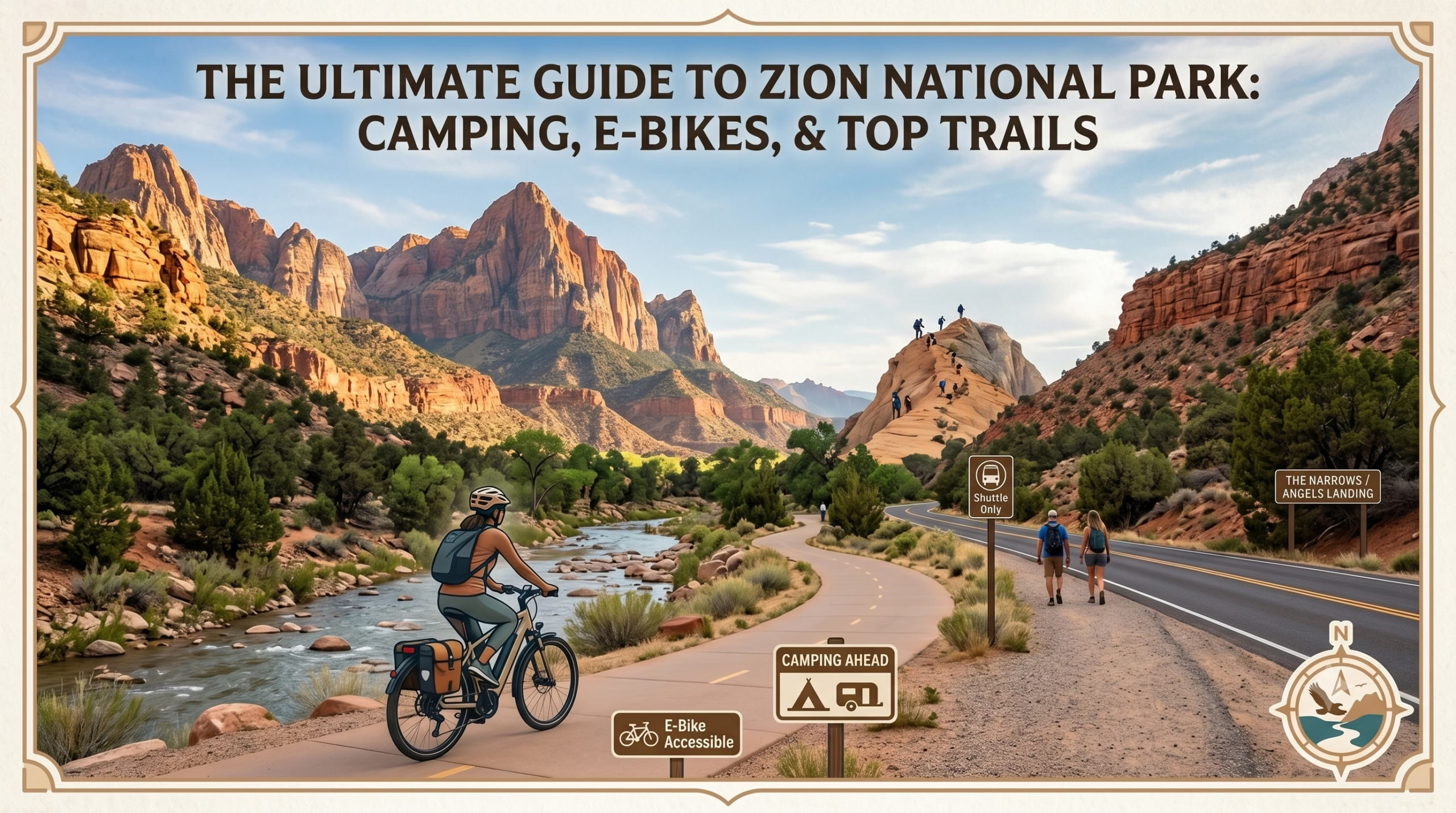
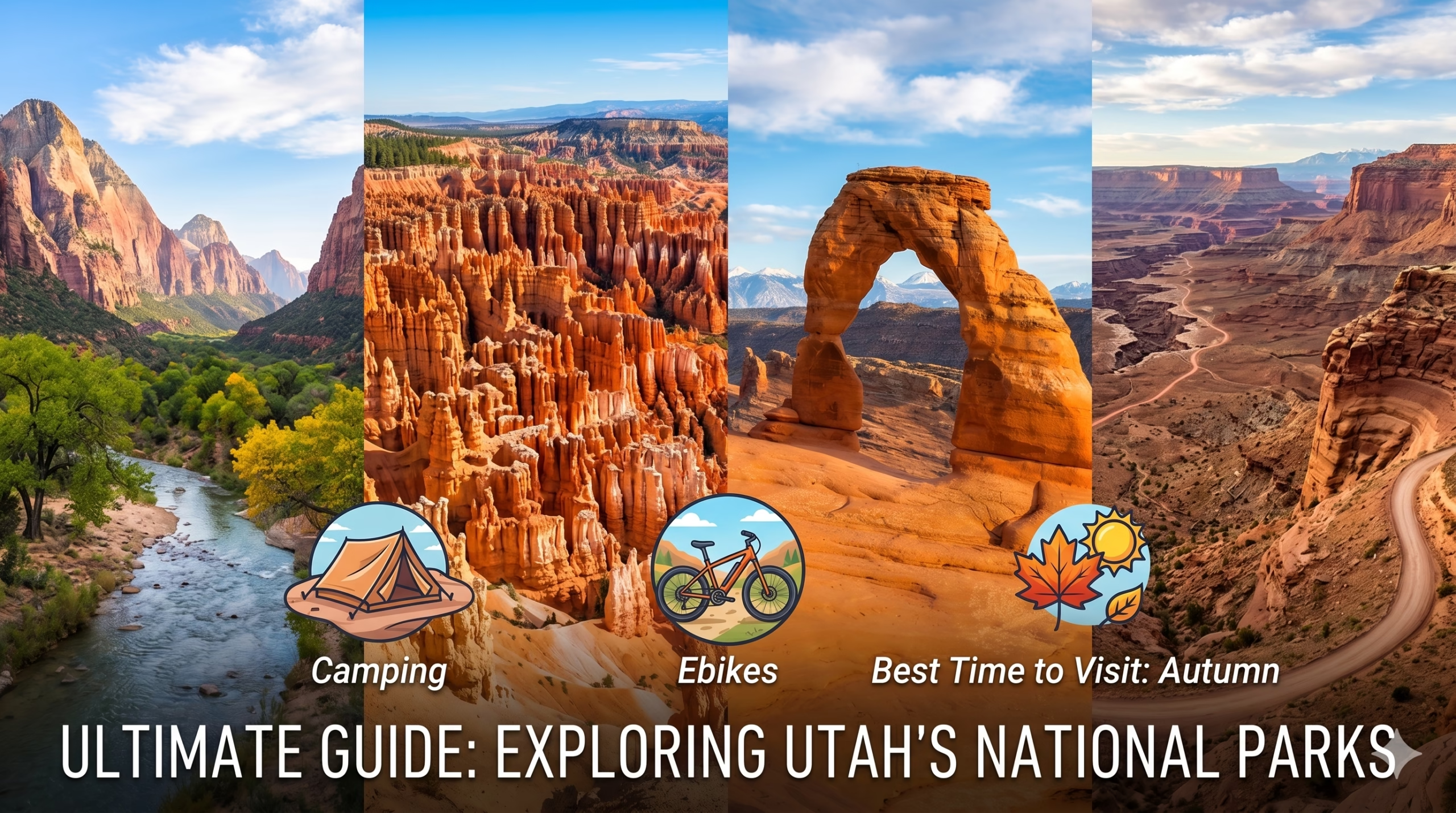
The Ultimate Guide to Utah’s National Parks: Camping, E-bikes, and Scenery
Utah is home to the “Mighty 5″—a collection of five spectacular national parks that contain…
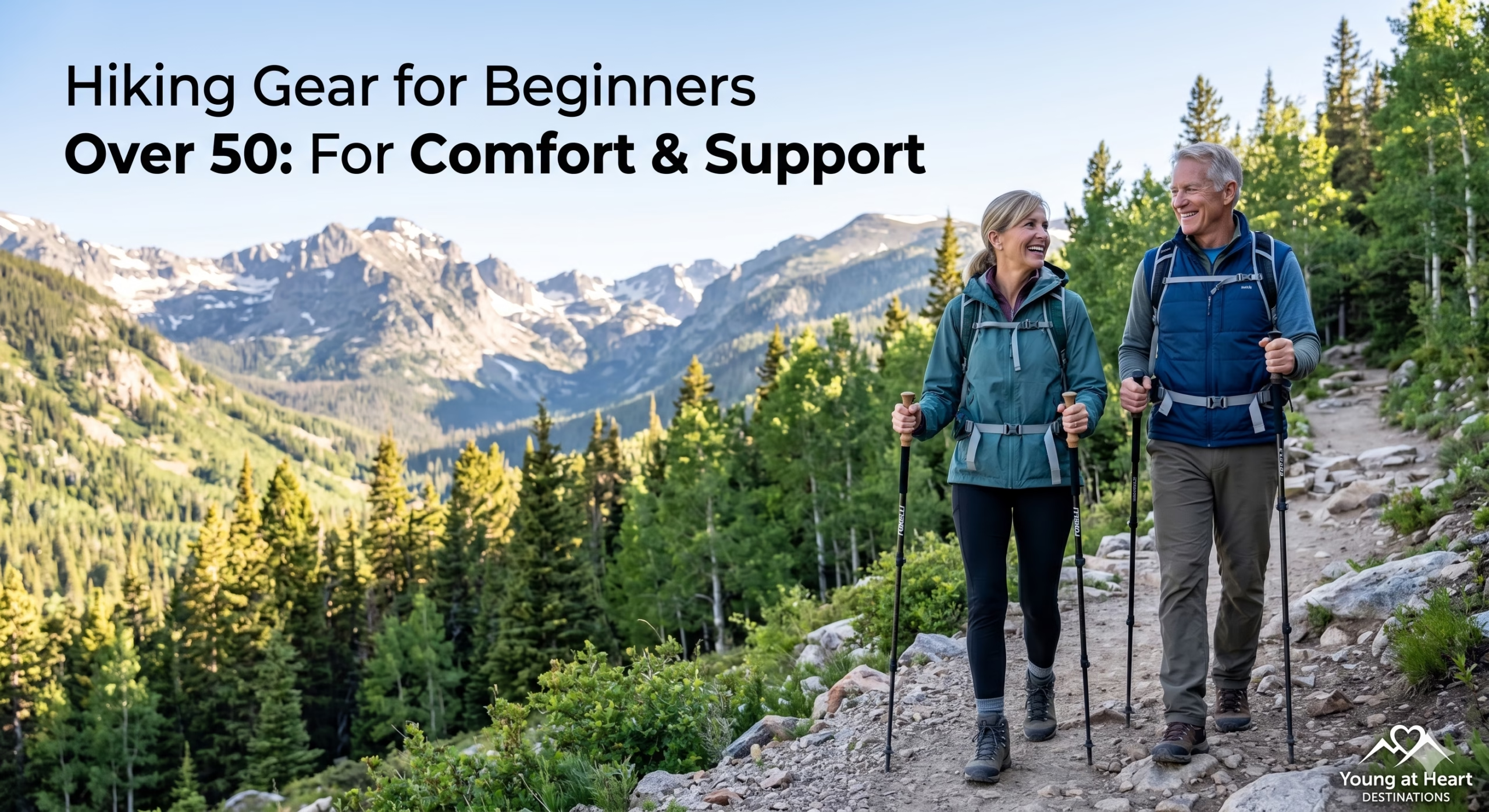
Best Hiking Gear for Beginners Over 50: Trail Essentials for Comfort & Support
Hit the trails with confidence. Reconnecting with nature through hiking is one of the most…
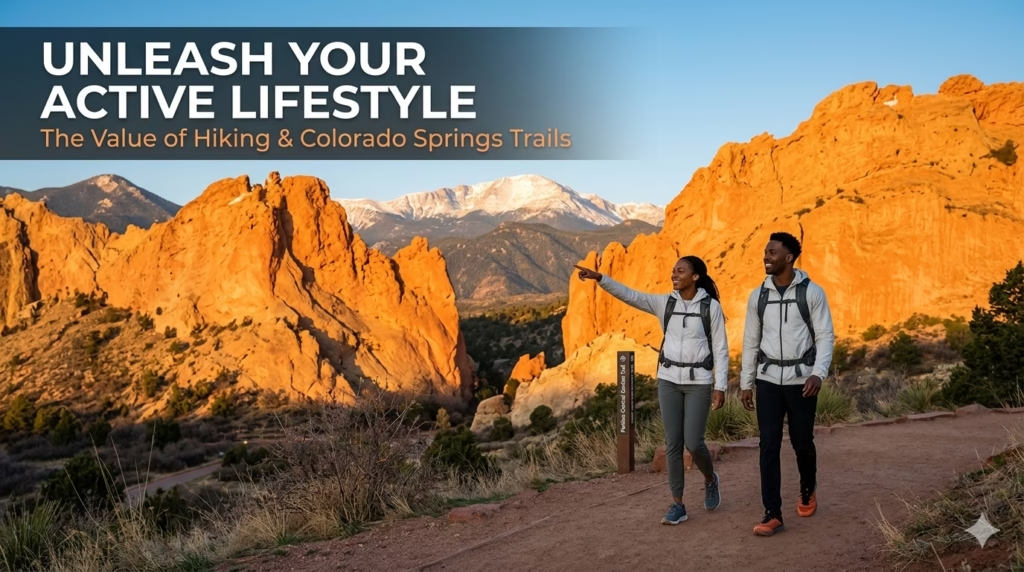
Why Gyms Can’t Replicate the Trail: How Hiking Enhances an Active Lifestyle
In our fast-paced, digitally dominated world, finding a true sense of balance can feel like…