
Mexican Riviera All-Inclusive Resorts: Regional Destination Guide
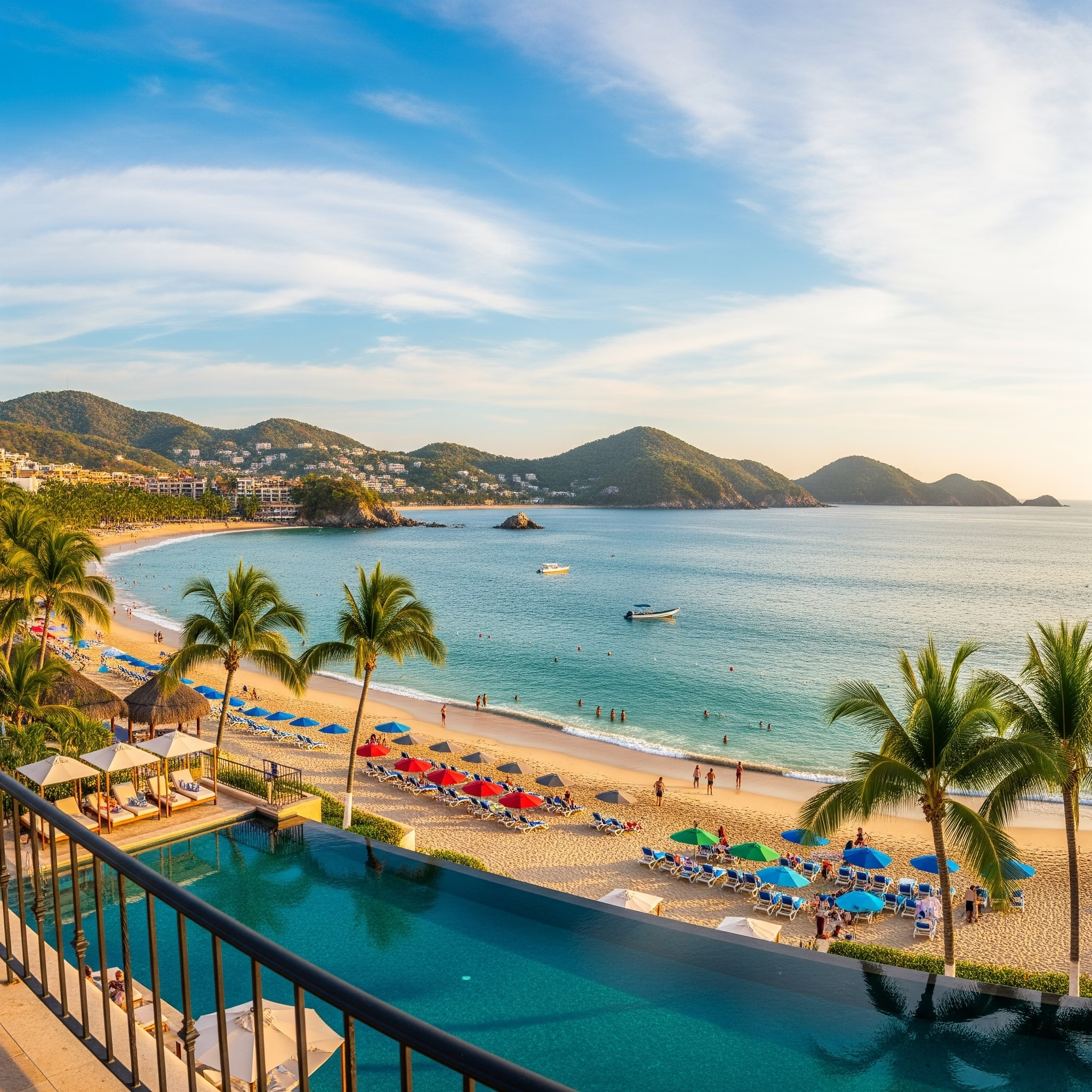
Spanning over 4,500 miles along Mexico’s magnificent west coast, the Mexican Riviera is an extraordinary tapestry of natural wonders, vibrant regional culture, and sun-drenched Pacific oceanfronts. Stretching from the rugged northern border down to the lush tropical shores of Oaxaca, this vast coastal corridor encompasses an unmatched diversity of ecosystems and landscapes. Here, the dramatic desert bluffs and cactus-studded hills of Baja California meet deep-blue ocean waters, while further south, the emerald peaks of the Sierra Madre mountains drop dramatically into warm, sheltered bays. Along this captivating coastline, iconic granite rock formations rise majestically from the sea in Los Cabos, inviting travelers to world-class golf, high-end luxury resorts, and deep-sea fishing. In historic hubs like Mazatlán and Puerto Vallarta, centuries-old colonial architecture, cobblestone streets, and miles-long boardwalks (Malecóns) seamlessly blend rich art and history with lively beach culture. As you venture into the central and southern reaches, the quiet coves of Manzanillo, Ixtapa, Acapulco, and Huatulco reveal calm swimmable waters, coral reefs, and eco-certified national parks. Throughout the entire coast, visitors can savor world-renowned Pacific seafood, witness seasonal humpback whale migrations, explore ancient historical sights, and immerse themselves in the warm, authentic hospitality that makes Mexico’s Pacific coast an unmatched haven for relaxation, adventure, and coastal exploration.
Mexican Riviera Regional Comparison
| Region | Primary Destinations | Best For | Standout Features |
| Baja California Sur | Cabo San Lucas, San José del Cabo, East Cape, La Paz | Luxury resorts, nightlife, golf & whale watching | Where the Pacific meets the Sea of Cortez; iconic El Arco arch |
| Northern Riviera | Mazatlán, Puerto Vallarta, Riviera Nayarit | Culture, art scenes, historic charm & Banderas Bay | Cobblestone historic centers, Sierra Madre jungle backdrop & long Malecóns |
| Central Riviera | Manzanillo, Ixtapa, Zihuatanejo | Deep-sea fishing, calm bays & dual-resort vibes | “Sailfish Capital” fishing, championship golf & beachfront palapa dining |
| Southern Riviera | Acapulco, Huatulco, La Crucecita | Cliff diving, eco-tourism & protected bay swimming | Historic bay nightlife at Acapulco; 9 eco-certified natural bays in Huatulco |
Baja California Sur: Los Cabos
Occupying the southern half of the Baja California Peninsula, Baja California Sur presents a stunning contrast of cactus-studded mountains, desert dunes, and turquoise waters. The region is defined by a dramatic landscape where the Pacific Ocean collides with the calmer waters of the Sea of Cortez, creating an ecosystem rich in marine life, dramatic sea cliffs, and world-class resort infrastructure.
Cabo San Lucas
At the southernmost tip of the peninsula sits Cabo San Lucas, the energetic heart of the region’s resort and nightlife scenes. Built around a bustling marina and the iconic golden sands of Medano Beach, Cabo San Lucas is famous for its striking ocean geography, anchored by El Arco—the massive granite arch framing Land’s End where two seas meet. Here, travelers find an array of high-rise all-inclusive resorts, high-energy beach clubs, glass-bottom boat tours, and a legendary nightlife corridor featuring world-renowned bars and live music venues.
San José del Cabo
Just 20 miles east along the scenic resort corridor lies San José del Cabo, offering a serene, culturally rich contrast to its sibling town. Centered around a historic 18th-century Jesuit mission and a shaded central plaza, San José del Cabo exudes authentic colonial charm. The town is internationally recognized for its vibrant Thursday Night Art Walk, where local galleries open their doors alongside high-end farm-to-table restaurants tucked into lush palm groves.
Beyond the Capes: East Cape, Todos Santos & La Paz
Beyond the primary resort towns, Baja California Sur offers pristine coastal escapes for travelers seeking seclusion and outdoor adventure:
- The East Cape: A quiet stretch of coastline along the Sea of Cortez featuring ultra-luxury hideaways, off-grid eco-resorts, and world-renowned windsurfing and kiteboarding spots.
- Todos Santos: A designated Pueblo Mágico (Magic Town) on the Pacific side, celebrated for its artistic community, historic brick architecture, surfing beaches, and laid-back surf-lodge culture.
- La Paz: The state capital on the Sea of Cortez, offering tranquility, a scenic seafront boardwalk, sea lion diving excursions, and the world-famous, shallow turquoise waters of Balandra Beach.
Insider Tip: While open Pacific beaches in Los Cabos feature powerful shorebreaks and heavy undertows, head to sheltered coves like Playa Medano, Chileno Bay, or Santa Maria Beach for safe, crystal-clear ocean swimming, paddleboarding, and reef snorkeling.
👉 Check out our recommended all-inclusive resorts in Los Cabos.


Northern Mexican Riviera: Mazatlán to Puerto Vallarta
Stretching along the upper Pacific coast, the Northern Mexican Riviera captures a seamless blend of historic culture, gold-sand coastlines, and dramatic mountain jungles. Bordered by the Sierra Madre Occidental range, this region is celebrated for its lush greenery, oceanfront boardwalks, and rich culinary traditions ranging from street-side mariscos to AAA Five-Diamond fine dining. 👉Check out the top resorts in the Northern Mexican Riviera.
Mazatlán (“The Pearl of the Pacific”)
As the northern anchor of this sub-region, Mazatlán offers an authentic working-city atmosphere combined with miles of golden beach. The soul of the city lies in its restored Centro Histórico (Old Town), where 19th-century neoclassical mansions, bustling artisanal markets, and the grand Angela Peralta Theater frame the lively Plaza Machado. Running four miles along the oceanfront is Mazatlán’s famous Malecón, one of the longest boardwalks in the world, filled with street performers, monuments, and open-air Pulmonia taxis. Most all-inclusive accommodations are positioned along the energetic Golden Zone (Zona Dorada) or the tranquil, yacht-lined harbor of Marina Mazatlán.
Puerto Vallarta
Flanked by the emerald peaks of the Sierra Madre mountains and the broad sweep of Banderas Bay, Puerto Vallarta is widely considered the cultural and artistic heart of Mexico’s west coast. The city’s famous Zona Romántica (Romantic Zone) features cobblestone streets draped in bougainvillea, traditional red-tile roofs, local art galleries, and the iconic crown spire of the Church of Our Lady of Guadalupe. Puerto Vallarta’s mile-long oceanfront Malecón is a hub for sunset watching, open-air art displays, and beachfront dining.
Riviera Nayarit
Extending north from Banderas Bay into the state of Nayarit, Riviera Nayarit spans nearly 200 miles of lush coastal jungle, expansive beaches, and distinct coastal enclaves:
- Nuevo Vallarta (Nuevo Nayarit): A master-planned resort community featuring long, wide beaches, multi-tiered pool complexes, marina canals, and expansive family-friendly all-inclusive resorts.
- Punta Mita: An exclusive, gated 1,500-acre peninsula home to ultra-luxury five-star hideaways and championship golf courses framed by the ocean.
- Sayulita & San Pancho: Bohemian beach towns world-famous for their surfing breaks, colorful street art, artisan markets, and eco-conscious lifestyle.
Insider Tip: Take a day trip into the historic Zona Romántica in Puerto Vallarta or Plaza Machado in Mazatlán around dusk to experience local gallery art walks, live street performances, and authentic open-air dining away from the main resort complex.


The Central Mexican Riviera offers a scenic, tranquil coastline filled with sheltered coves, lush coconut groves, and picturesque fishing hamlets. This region appeals to travelers seeking a slower pace, world-class deep-sea fishing, and an authentic taste of coastal Mexican life. 👉 See the top recommended resorts in Central Mexican Riviera.
Manzanillo (“Sailfish Capital of the World”)
Flanked by twin bays—Manzanillo Bay and Santiago Bay—on the Santiago Peninsula, Manzanillo is a major Pacific port city with a rich maritime history. Celebrated globally for its deep-sea sportfishing, anglers flock here for sailfish, marlin, and yellowfin tuna charters. The resort zones are concentrated around the protected waters of La Audiencia Beach, where calm bay conditions create ideal environments for swimming, kayaking, and family-friendly resort stays. The historic city center offers traditional plazas, vibrant seafood markets, and classic Mexican hospitality.
Ixtapa
Purpose-built as a modern resort destination, Ixtapa is defined by its wide, golden-sand beaches, high-rise luxury hotels, and pristine tropical manicured grounds. Centered along El Palmar Beach, Ixtapa features full-service all-inclusive resorts, two 18-hole championship golf courses (Palma Real and Marina Ixtapa), high-end commercial shopping plazas, and paved bike trails winding through coastal wetlands.
Zihuatanejo (“Zihua”)
Located just four miles from Ixtapa, Zihuatanejo provides a striking contrast as a classic, picturesque Mexican fishing village. Built around a sheltered, crescent-shaped bay, Zihuatanejo features cobblestone lanes, local artisan markets, and rustic, thatched-roof palapa restaurants stepping down to the water. The bay’s calm waters—especially along Playa La Ropa and Playa Las Gatas—make it a favorite for couples seeking romantic beachfront dining and tranquil swimming.
Insider Tip: In Zihuatanejo, take a quick water taxi from the main town pier over to Playa Las Gatas for calm, shallow snorkeling along an ancient underwater stone barrier built, according to local legend, by a pre-Columbian Tarascan king.


Southern Mexican Riviera: Acapulco to Huatulco
Spanning the state coastlines of Guerrero and Oaxaca, the Southern Mexican Riviera combines historic jet-set glamor with untouched eco-tourism sanctuaries and rich indigenous traditions. 👉 See our reviews of the top resorts in Southern Mexican Riviera.
Acapulco
Once the legendary mid-century playground for Hollywood stars and international royalty, Acapulco remains famous for its dramatic horseshoe-shaped bay, high-rise hotel skyline, and vibrant social energy. The city’s primary attractions include:
- La Quebrada: Where the famous Clavados (cliff divers) jump from heights over 100 feet down steep rock walls into a narrow, surge-filled ocean cove.
- Acapulco Bay Beaches: Bustling stretches like Playa Condesa and Playa Icacos, offering continuous water sports, parasailing, and open-air beach clubs.
- Historic Old Acapulco: Home to the 17th-century star-shaped Fort of San Diego, bustling local markets, and classic oceanview plazas overlooking the Pacific.
Huatulco (Las Bahías de Huatulco)
Located along Oaxaca’s southern coast, Huatulco is an international model for sustainable tourism, holding Green Globe and EarthCheck certifications. Backed by the lush rainforests of the Sierra Madre del Sur national park, Huatulco is built around nine protected natural bays and 36 pristine, uncrowded beaches.
La Crucecita & Oaxacan Culinary Culture
Serving as the charming downtown hub for the Huatulco region, La Crucecita offers a colorful central plaza, traditional craft shops, and authentic Oaxacan gastronomy. Here, visitors can sample world-famous Oaxacan specialties, including complex chocolate-based moles, tlayudas (Oaxacan-style flatbreads), artisanal Oaxaca cheese, and small-batch mezcal tastings sourced from local mountain distilleries.
Insider Tip: Book a guided boat tour through the Bays of Huatulco early in your trip to explore remote, boat-access-only beaches within the national park zone before afternoon tour boat crowds arrive.


Are you ready for your next getaway? Let Young At Heart Destinations find you the best resort that meets your unique needs!