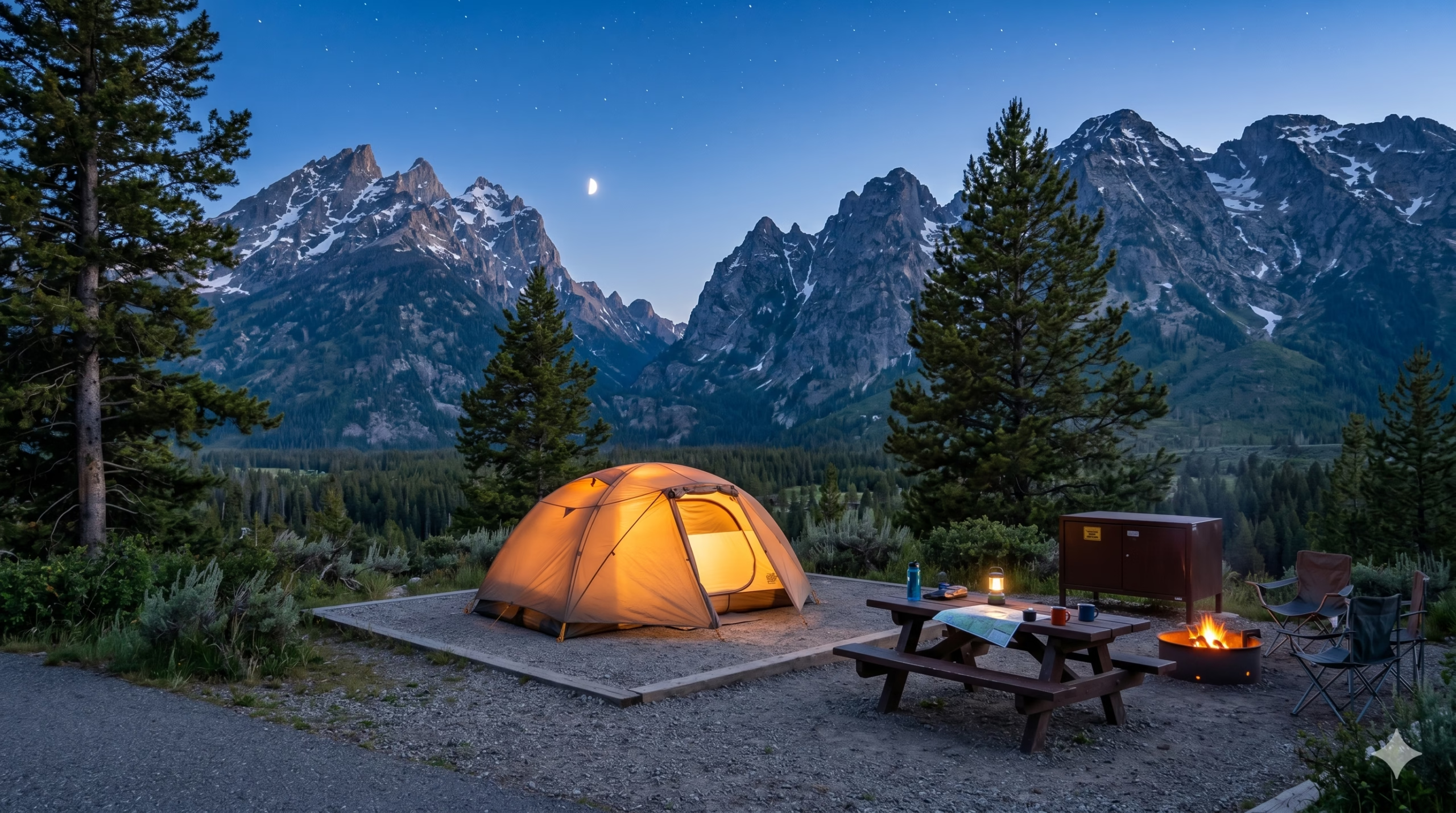
There is a raw, unmatched magic to unzipping a tent door and stepping directly into the heart of America’s most iconic landscapes. Whether it is waking up under the towering canopy of Great Smoky Mountains or watching the sunrise paint the canyon walls of the American Southwest, tent camping offers an immersive national park experience that a hotel room simply cannot replicate.
However, as park attendance has surged, the logistics of securing a site and staying compliant with federal park rules have become increasingly complex.
This comprehensive guide breaks down the essential regulations, booking timelines, seasonal strategies, and—crucially—the national parks where you can still easily grab a tent campsite without an agonizing digital scramble.
1. Core National Park Camping Regulations
Developed campgrounds within the National Park Service (NPS) are highly organized environments. To protect natural resources and ensure visitor safety, a standard set of regulations applies across almost all parks:
- Campsite Limits: The vast majority of standard tent sites allow a maximum of 6 people (or one immediate family) and two tents per site.
- Tent Placement: Tents must be pitched strictly within the designated gravel or dirt tent pad. Pitching your tent on nearby grass, wildflowers, or untouched vegetation is prohibited to prevent soil erosion and plant damage.
- The 14-Day Rule: Most parks enforce a strict stay limit—typically 14 consecutive days in any single campground during the peak season—and no more than 28 days total within a calendar year.
- Food Storage and Wildlife Safety: Leaving food, trash, scented toiletries, or coolers unattended on your picnic table is illegal. In bear country (e.g., Yosemite, Glacier, Smoky Mountains), all food must be stored inside hard-sided vehicles or provided metal bear-proof lockers.
- Firewood Protocols: To prevent the devastating spread of invasive pests like the emerald ash borer, you generally cannot bring outside firewood into a national park. You must gather dead-and-down wood where permitted or buy locally sourced wood inside the park gates.
- Quiet Hours: Strictly enforced across the system from 9:00 PM to 7:00 AM. Generators have very specific daytime windows and are often entirely banned in dedicated tent-only loops.
⛺ Camping Trip Tip
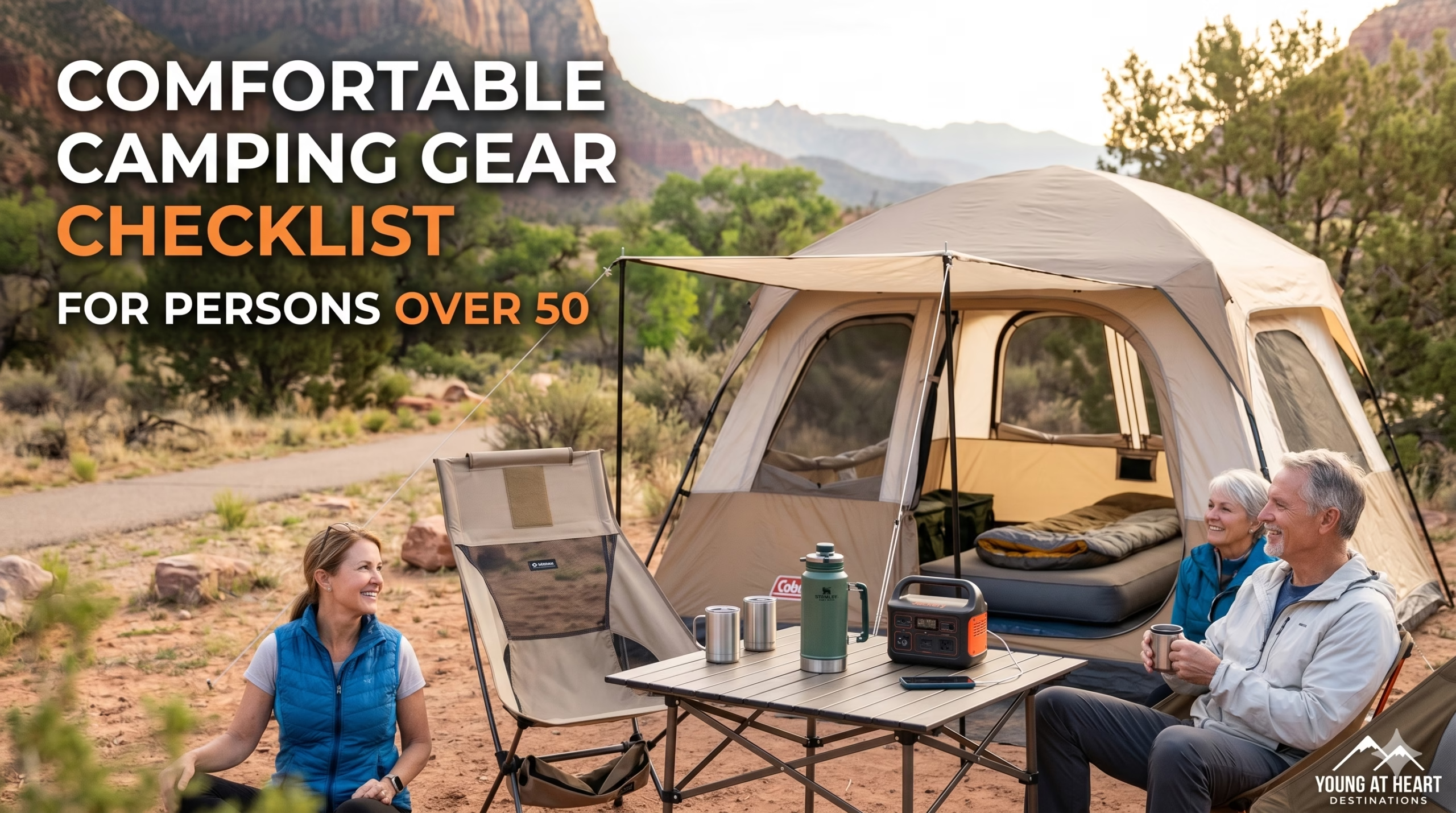
Upgrade your outdoor getaway with essential comfort gear to elevate your sleeping setup, camp kitchen, and campsite relaxation. Review our Comfortable Camping Gear Checklist before heading out!
2. How to Book Your Campsite
The era of casually rolling up to a national park kiosk at 5:00 PM and grabbing a spot is largely gone. Booking requires strict calendar management.
The Booking Hub: Recreation.gov
Nearly every federally managed campground uses Recreation.gov. You will need to create a free account well before you intend to book.
The 6-Month Window
The general rule of thumb for major parks is that reservations open on a 6-month rolling basis at exactly 7:00 AM Eastern Time (4:00 AM Pacific). For example, if you want to camp on August 15th, you need to be logged in and clicking “Reserve” on February 15th at 7:00 AM sharp.
The Exceptions
Some ultra-popular parks deviate from the standard rule:
- Yosemite: Operates on a unique 5-month block system where batches of dates drop on the 15th of every month. These spots routinely sell out in under 30 seconds.
- First-Come, First-Served (FCFS): A dwindling number of remote campsites operate on an FCFS basis. If relying on this, plan to arrive at the campground by 7:30 AM on the day a departing camper is checking out.
3. The Best Times of Year to Camp
While summer (June through August) is the peak travel season, it is rarely the optimal time for the best tent camping experience due to intense heat, bugs, and massive crowds.
The “Sweet Spot”: Autumn (September to October)
Autumn is widely considered the golden era for tent camping. The summer family crowds have returned to school, nocturnal insects die down, and daytime temperatures drop into a comfortable hiking range. Mountain parks like Shenandoah and the Rocky Mountains offer stunning fall foliage, while desert parks begin cooling off.
The Rebirth: Spring (April to May)
Spring is perfect for desert parks (like Zion, Joshua Tree, and the Grand Canyon) before they become blast furnaces. The weather can be unpredictable with occasional rain or lingering snow at high elevations, but waterfalls are at peak flow, and wildflowers are in bloom.
The Secret Season: Winter (November to March)
If you have a cold-weather sleeping bag and insulated sleeping pad, winter tent camping offers absolute solitude. Desert locations like Death Valley or Big Bend boast pristine, comfortable winter daytime temperatures and spectacular night skies.
4. Easiest National Parks for Campsite Availability
If you don’t want to deal with the high-stress, six-month-advance booking scramble, several parks feature sprawling campgrounds, remote locations, or lesser-known profiles that make finding a spot significantly easier.
Great Smoky Mountains National Park (North Carolina / Tennessee)
- Why it’s easy: It is America’s most-visited national park, but it features 10 massive developed campgrounds spread across its boundaries.
- Where to look: While Elkmont and Cades Cove fill up quickly, campgrounds like Cosby or 催Loft Mountain (actually located in Shenandoah, but Cataloochee or Deep Creek in the Smokies) regularly have tent availability even just a few weeks out.
Shenandoah National Park (Virginia)
- Why it’s easy: Shenandoah was built with auto-touring and camping in mind. It has thousands of individual sites along Skyline Drive.
- Where to look: Mathews Arm, Loft Mountain, and Big Meadows maintain a healthy inventory of both reservable and first-come, first-served tent sites. Loft Mountain is the largest campground in the park and rarely fills up completely on weekdays.
Olympic National Park (Washington)
- Why it’s easy: Olympic is vast, geographically fragmented, and boasts roughly 14 different campgrounds.
- Where to look: While coastal areas or the Hoh Rain Forest book up, the more remote, primitive rainforest campgrounds like South Beach or Mora offer excellent fallback availability.
Death Valley National Park (California)
- Why it’s easy: Except during the scorching summer months, Death Valley has massive, sprawling open gravel campgrounds that rarely fill to capacity.
- Where to look: Sunset, Texas Springs, and Stovepipe Wells offer hundreds of unstaffed, open spaces that function smoothly on an FCFS or short-notice booking basis.
5. Pro-Tips for Beating the Booking System
1. Use a Tracking App
If your dream park is entirely booked up, use platforms like Campflare or Schnerp. These apps scan Recreation.gov 24/7 for cancellations and send a text alert the second someone drops a reservation.
2. Look for “Tent-Only” Loops
When searching Recreation.gov, filter specifically for “Tent-Only Driven To” or “Walk-In” sites. Many people search for generic sites that accept RVs; filtering for tent-exclusive sites hides them from large motorhome traffic and increases your odds of finding an open pad.
3. The Direct Boundary Pivot
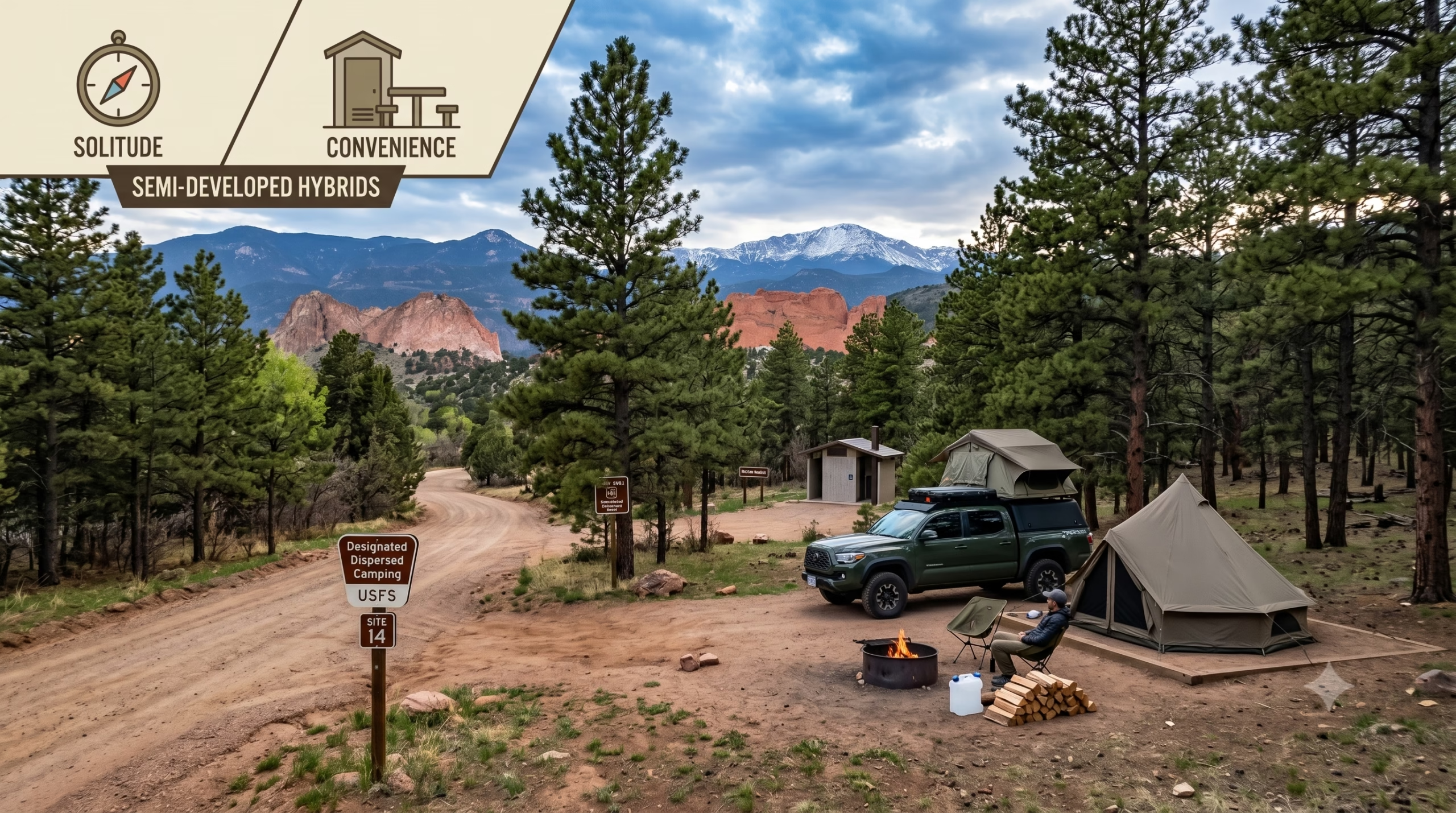
If the park is completely full, look right outside the gate. Bureau of Land Management (BLM) lands and National Forests usually border national parks. They offer plentiful, low-cost developed campgrounds or completely free “dispersed camping” where you can pitch a tent without any reservations whatsoever.
📚 Related Guides & Read Next
- The Ultimate Guide to Tent Camping in National Parks: Regulations, Booking, & Easy Spots
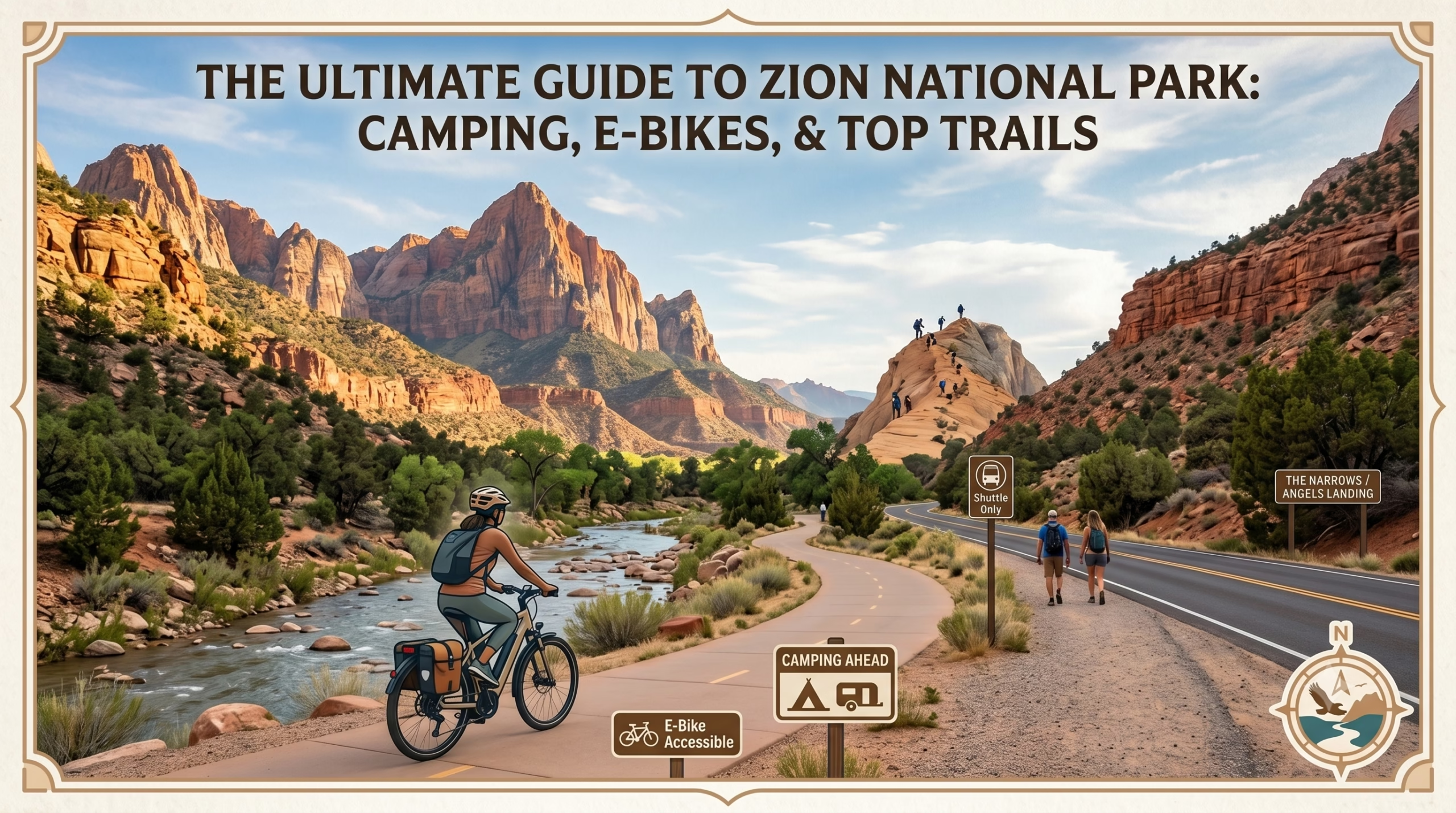
- The Ultimate Guide to Utah’s National Parks: Camping, E-bikes, and Scenery
- Camping Gear Checklist for Comfortable Travel: The Over-50 Luxury Basecamp Guide
- Dispersed Camping vs. Developed Campgrounds: Which Is Right for You?
- Behind the Scenery: What It’s Actually Like to Experience Zion by Tent and E-Bike