
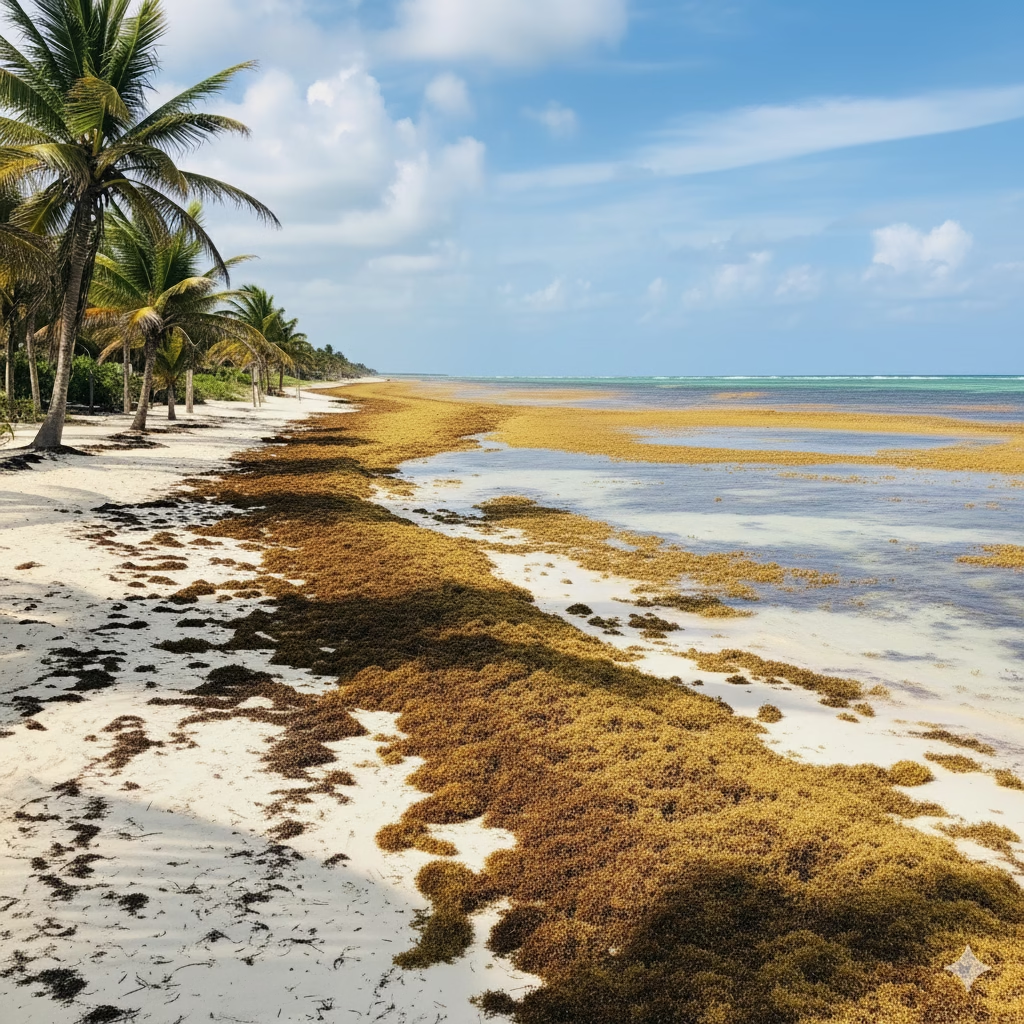
Few things disrupt a tropical getaway faster than arriving at a turquoise ocean only to find it choked with brown, pungent sargassum seaweed. Over the last decade, Atlantic ocean currents have routinely delivered massive blooms of free-floating sargassum to the east-facing beaches of the Mexican Caribbean, leaving travelers scrambling to figure out where they can actually swim.
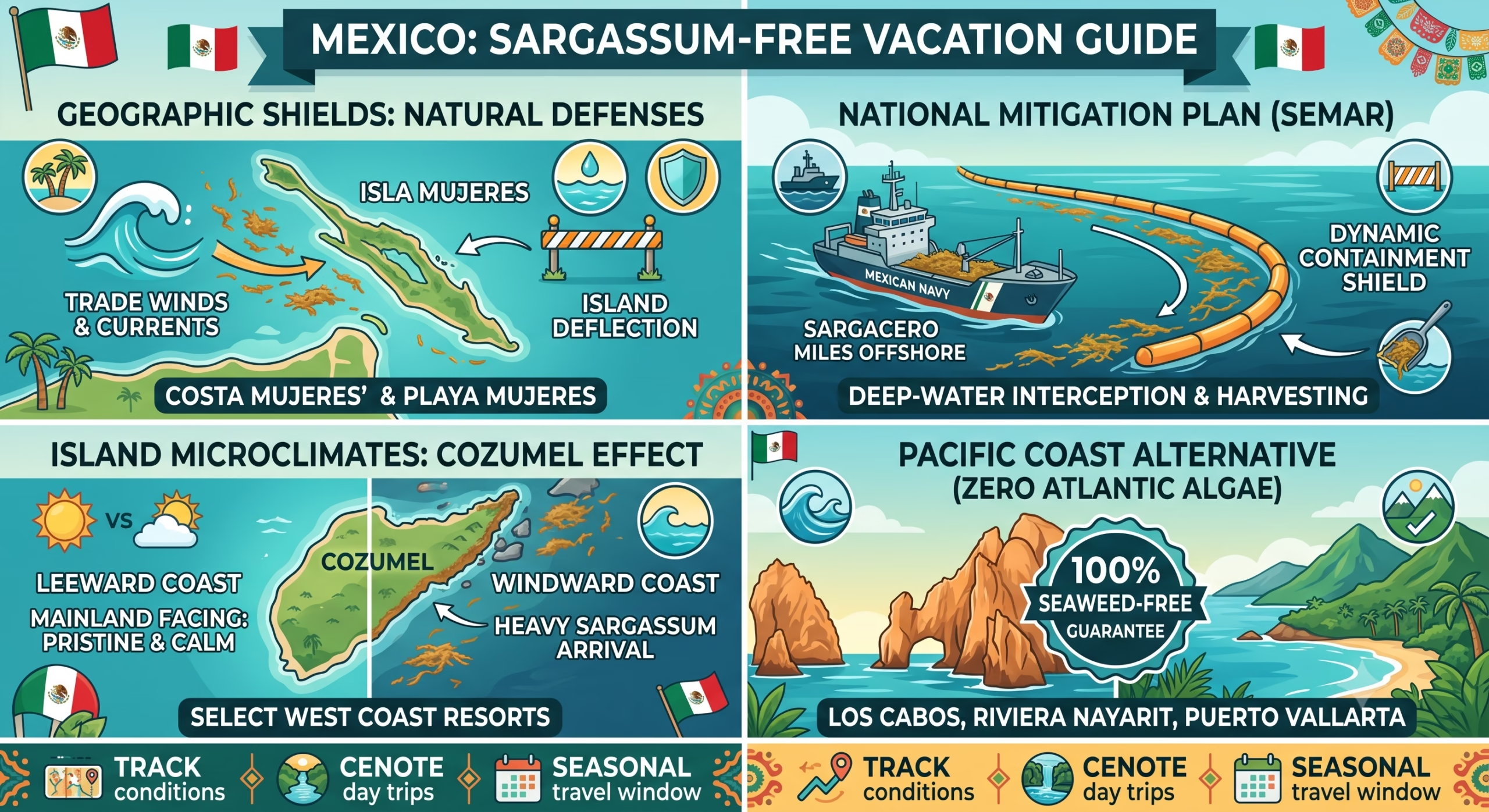
Escaping the seaweed issue comes down to understanding geography and government mitigation efforts. The ideal resort choice depends on protected microclimates, geographic shields, alternative coastline options, and official action to intercept the algae before it reaches the beach.
Mexico’s 2026 National Sargassum Mitigation Plan
Facing record sargassum arrivals along the Riviera Maya, the Mexican federal government unveiled a historic $115+ million USD (2.64 billion MXN) National Sargassum Mitigation Plan. Led directly by Mexican Navy (SEMAR) in coordination with the Ministry of Environment (SEMARNAT) and local state authorities in Quintana Roo, the initiative shifts the battle against sargassum from onshore raking to deep-water interception.
Key Pillars of the Federal Strategy
- Deep-Water Interception Fleet: The Mexican Navy is deploying specialized open-water tugboats and coastal sargassum-harvesting vessels (sargaceros). These ships catch and scoop up free-floating sargassum mats several miles offshore before currents push them into shallow water.
- 30+ Miles of Barrier Shields: Navy teams are installing roughly 50 kilometers (over 30 miles) of dynamic, heavy-duty containment barriers across high-density tourist corridors—including Cancún, Puerto Morelos, Playa del Carmen, Tulum, and Mahahual. These floating walls trap and direct algae toward collection boats rather than hotel shorelines.
- Massive Daily Capacity Scaling: The first phase of the plan increases daily offshore collection capacity to nearly 1,900 tons per day, with the ultimate target of removing up to 4,000 tons of seaweed daily before it makes landfall.
- Eco-Friendly Onshore Cleanup Rules: For sargassum that penetrates barrier lines, hoteliers must adhere to strict environmental collection guidelines. Heavy machinery on sensitive beach zones is regulated to prevent coastal erosion and protect sea turtle nesting grounds.
Geography 101: Why Some Resorts Stay Sargassum-Free
Sargassum is carried across the Atlantic by trade winds and the North Equatorial Current. Because these forces push seaweed straight into east-facing landmasses, coastal orientation determines seaweed buildup:
- Island-Shielded Zones: Landmasses like Isla Mujeres and Cozumel act as giant natural breakwaters. East-facing coasts take the brunt of the seaweed, leaving the sheltered west-facing shores pristine.
- North-Facing Coastlines: Regions where the coast curves inward or faces north (such as Costa Mujeres / Playa Mujeres) divert incoming offshore currents away from the sand.
- The Pacific Coast Alternative: Pacific Mexico (Los Cabos, Puerto Vallarta, Riviera Nayarit) is entirely disconnected from the Atlantic sargassum belt, guaranteeing a 100% seaweed-free ocean experience year-round.
Top Low-Sargassum All-Inclusive Resorts in Mexico
1. Costa Mujeres & Playa Mujeres (Naturally Protected Mainland)
Located just 20 to 30 minutes north of Cancún’s main Hotel Zone, this gated luxury community sits directly behind Isla Mujeres. The offshore island intercepts incoming Caribbean currents, keeping the mainland water noticeably clearer than beaches further south in Tulum or Playa del Carmen.
- Atelier Playa Mujeres: A modern, design-focused adults-only resort with an expansive, calm beach protected from heavy sargassum accumulation.
- TRS Coral Hotel / Grand Palladium Costa Mujeres: A sprawling luxury complex featuring quiet, shallow waters ideal for wading and paddleboarding year-round.
- Excellence Playa Mujeres: Offers plush beach loungers on a wide stretch of soft white sand shielded by the island barrier.
- Secrets Playa Blanca Costa Mujeres: A secluded adults-only haven offering a massive, pristine white-sand beach with calm, clear waters protected by the area’s natural geographic shield.
2. Cozumel – West Coast (Geographic Protection)
While Cozumel’s wild eastern coast gets hit heavily by Atlantic trade winds, its sheltered western coast faces the mainland across a narrow channel. The water here is crystal-clear, calm, and virtually sargassum-free.
- Secrets Aura Cozumel: An adults-only, swim-up paradise featuring easy access to clear turquoise waters and world-class reef diving.
- Iberostar Waves Cozumel: A family-friendly bungalow-style resort sitting directly on calm water with pristine ocean swimming conditions.
3. Pacific Mexico (100% Sargassum-Free Destinations)
If you want total certainty without tracking daily seaweed forecasts, head to Mexico’s Pacific coastline.
- Grand Velas Riviera Nayarit (Puerto Vallarta region): Consistently rated among the top luxury all-inclusives in the world, featuring gourmet dining, lush mountain-meets-ocean backdrop, and zero sargassum.
- Secrets Puerto Los Cabos Golf & Spa Resort (Los Cabos): Offers dramatic coastal views, high-end service, and deep blue Pacific waters completely unaffected by Atlantic algae.
Low-Sargassum Resort Comparison Table
| Resort Name | Location | Shielding Mechanism | Ocean Swimmability |
| Atelier Playa Mujeres | Costa / Playa Mujeres | Shielded by Isla Mujeres island barrier | High: Calm, shallow turquoise water |
| Secrets Aura Cozumel | Cozumel (West Coast) | Facing mainland; protected from open ocean currents | Exceptional: Crystal-clear reef water |
| TRS Coral Hotel | Costa Mujeres | North-facing mainland orientation + island shield | High: Minimal seaweed, clean sand |
| Grand Velas Riviera Nayarit | Riviera Nayarit (Pacific) | Pacific Ocean location (Zero Atlantic sargassum) | Moderate to High: Swimmable bay water |
| Secrets Puerto Los Cabos | Los Cabos (Pacific) | Pacific Coast / Sea of Cortez location | View-Only to Moderate: Strong Pacific waves |
Essential Tips for Beating Sargassum on Your Trip
- Track Real-Time Conditions: Follow localized social media networks like the Red de Monitoreo del Sargazo de Quintana Roo or interactive platforms like Sargassum Monitoring before your trip to view daily satellite updates and beach photos.
- Travel During Low-Risk Months: Sargassum levels peak during the warmer summer months (May through August). Visiting between late November and March yields cleaner beaches.
- Have a Day-Trip Pivot Plan: If an unexpected shift in wind pushes seaweed toward your mainland resort, take a ferry day trip to Isla Mujeres (North Beach) or head inland to explore the jungle cenotes—freshwater sinkholes filtered through limestone that are completely immune to marine seaweed.

One thought on “The Ultimate Guide to Sargassum-Free Mexico Vacations: Top Low-Seaweed Resorts & Government Mitigation Efforts”