When you are a caregiver or a family member of someone with Autism or an Intellectual and Developmental Disability (IDD), the word “inclusive” can feel like a gamble. You’ve likely experienced the “inclusion” that ends in a sensory meltdown or a judgmental look from staff who weren’t actually prepared to help.
This is where Autism Certifications come in. They are designed to take the guesswork out of your next outing or doctor’s visit. But not all stickers on the window are created equal. Here is a guide to what these certifications actually mean for your family.
1. IBCCES: The “Gold Standard” for Safety and Training
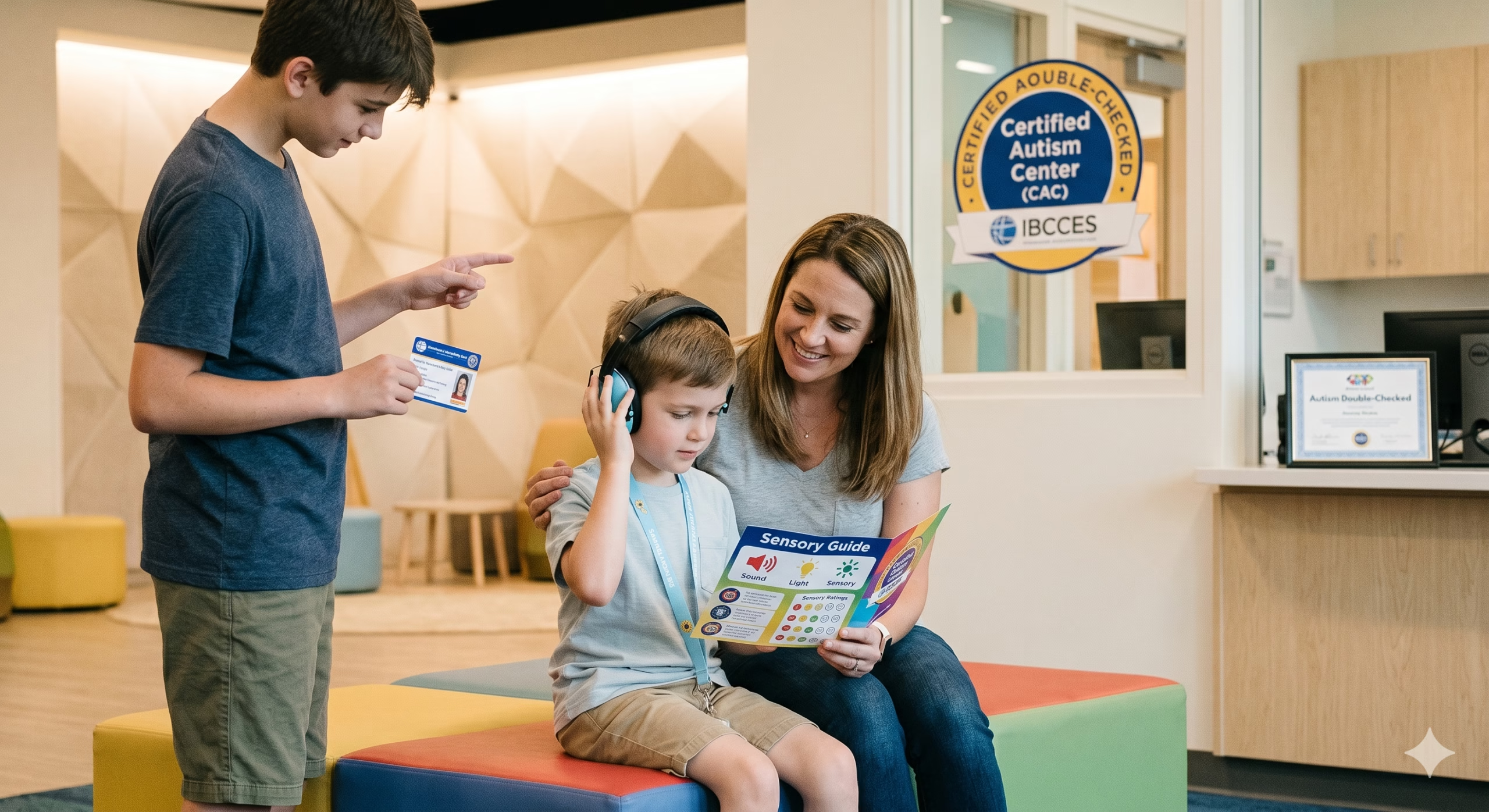
The International Board of Credentialing and Continuing Education Standards (IBCCES) is the big player you’ll see at major destinations like Sesame Place, SeaWorld, and Legoland.
What it means for your family:
When a place is a Certified Autism Center (CAC), it means:
- Trained Staff: At least 80% of the staff you interact with have undergone actual training on how to communicate with and support neurodivergent guests.
- The “Sensory Guide”: This is their best feature. They provide a map that rates every attraction on a scale of 1–10 for touch, taste, sound, smell, and sight. You can know before you walk into a theater if the lights will be flashing or the music will be booming.
- Accommodation Cards: IBCCES manages the Individual Accessibility Card (IAC). If you register for this online before your trip, it acts as a digital “passport” to help you access specialized accommodations at theme parks without having to explain your family’s private medical history to a teenager at a ticket booth.
2. Autism Double-Checked (ADC): The Travel Experts
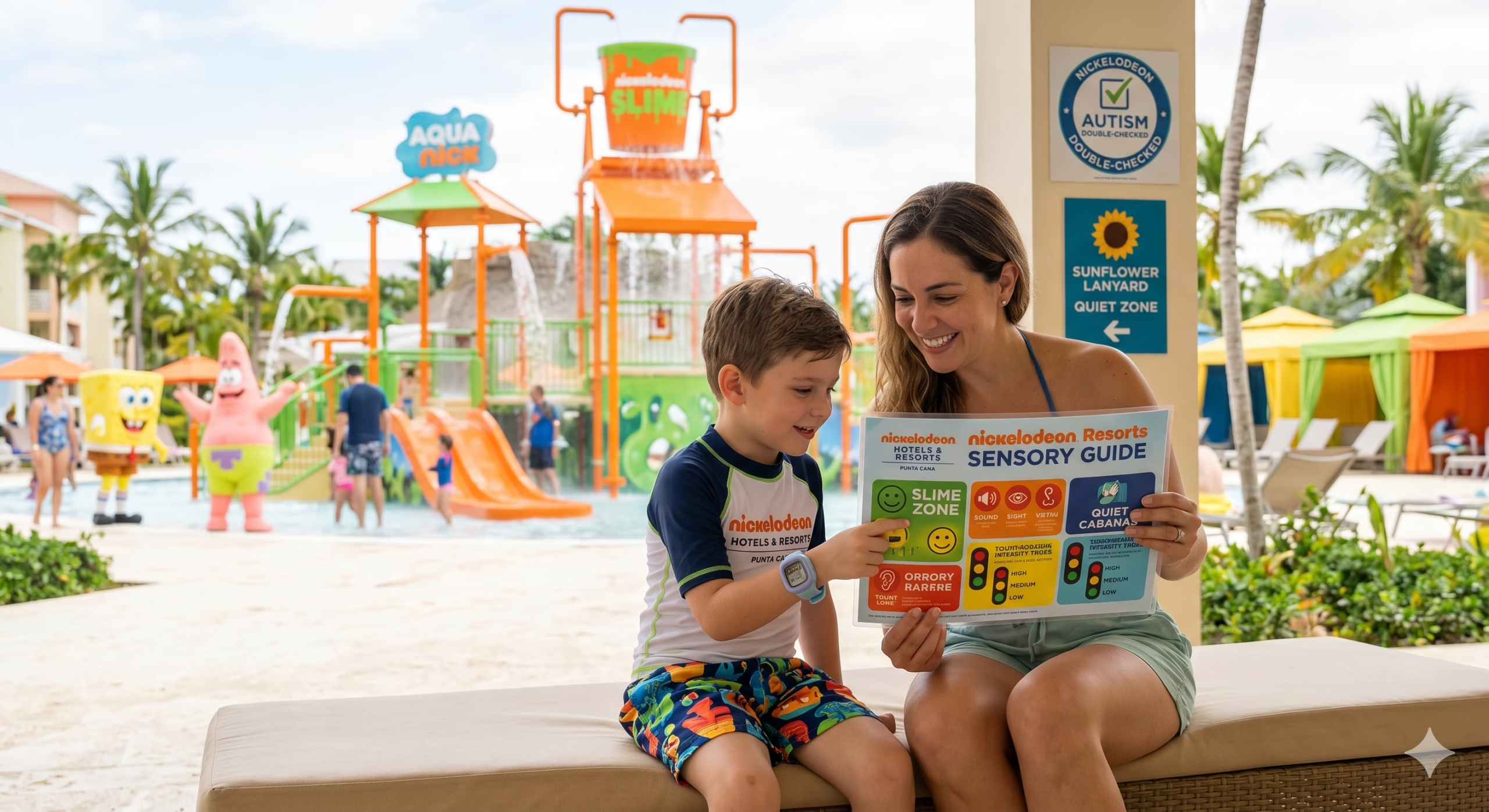
If you are planning a flight or a hotel stay, look for the Autism Double-Checked seal. While IBCCES is great for theme parks, ADC is arguably the leader in making the “logistics” of travel manageable.
What it means for your family:
ADC focuses on the “Ready, Set, Go” approach:
- The Site Audit: They don’t just train staff; they audit the building. They identify “quiet zones” and sensory triggers in lobbies and restaurants.
- Role-Specific Training: They train the flight attendants and the housekeepers—the people who actually enter your space—on why a child might be flapping their hands or why a guest might not make eye contact.
- Predictability: They help businesses create “Visitor Guides” that are essentially Social Stories for the venue. You can show your family member photos of the exact hotel room or airplane cabin they will be in before you leave home.
3. Other Labels You Might See
Beyond the “Big Two,” there are other certifications and symbols that offer different levels of support:
- KultureCity: You’ll often see their “Sensory Inclusive” logo at sports stadiums and concert venues. They focus heavily on Sensory Bags (which usually include noise-canceling headphones and fidgets) and dedicated Sensory Rooms where you can go to decompress during a loud event.
- The Sunflower Lanyard: While not a “certification site,” this is a globally recognized symbol for Hidden Disabilities. If your family member wears one, it signals to trained staff in airports and malls that you might need a little more time, patience, or a clearer explanation.
- Certified Neurodiverse Workplace: These are becoming more common in offices. If you have an adult family member looking for work, these certifications suggest the company has adjusted its hiring and management style to be more supportive of IDD employees.
How to “Audit” a Certification Yourself
As a family member, you are the expert on your loved one’s needs. If a business claims to be “certified,” don’t be afraid to ask these three questions to see if it’s legitimate:
- “Do you have a quiet space available right now?” (A truly certified place should have a designated sensory-relief area).
- “Can I see your sensory guide?” (If they don’t have a breakdown of noise/light levels, the certification might be outdated).
- “Is your staff trained specifically for IDD, or just ‘general’ disability?” (There is a big difference between physical ADA compliance and neurodivergent support).
Summary Table for Families
| If you are going to… | Look for this Certification | Why it helps |
| Theme Parks/Resorts | IBCCES (CAC) | Provides sensory ratings for every ride. |
| Airports/Hotels | Autism Double-Checked | Staff understands travel-specific anxiety. |
| Stadiums/Arenas | KultureCity | Access to sensory bags and quiet rooms. |
| Hospitals/Doctors | IBCCES (Certified) | Medical staff who understand sensory processing. |


One thought on “IBCCES and Autism Double-Checked: A Guide to Certifications”