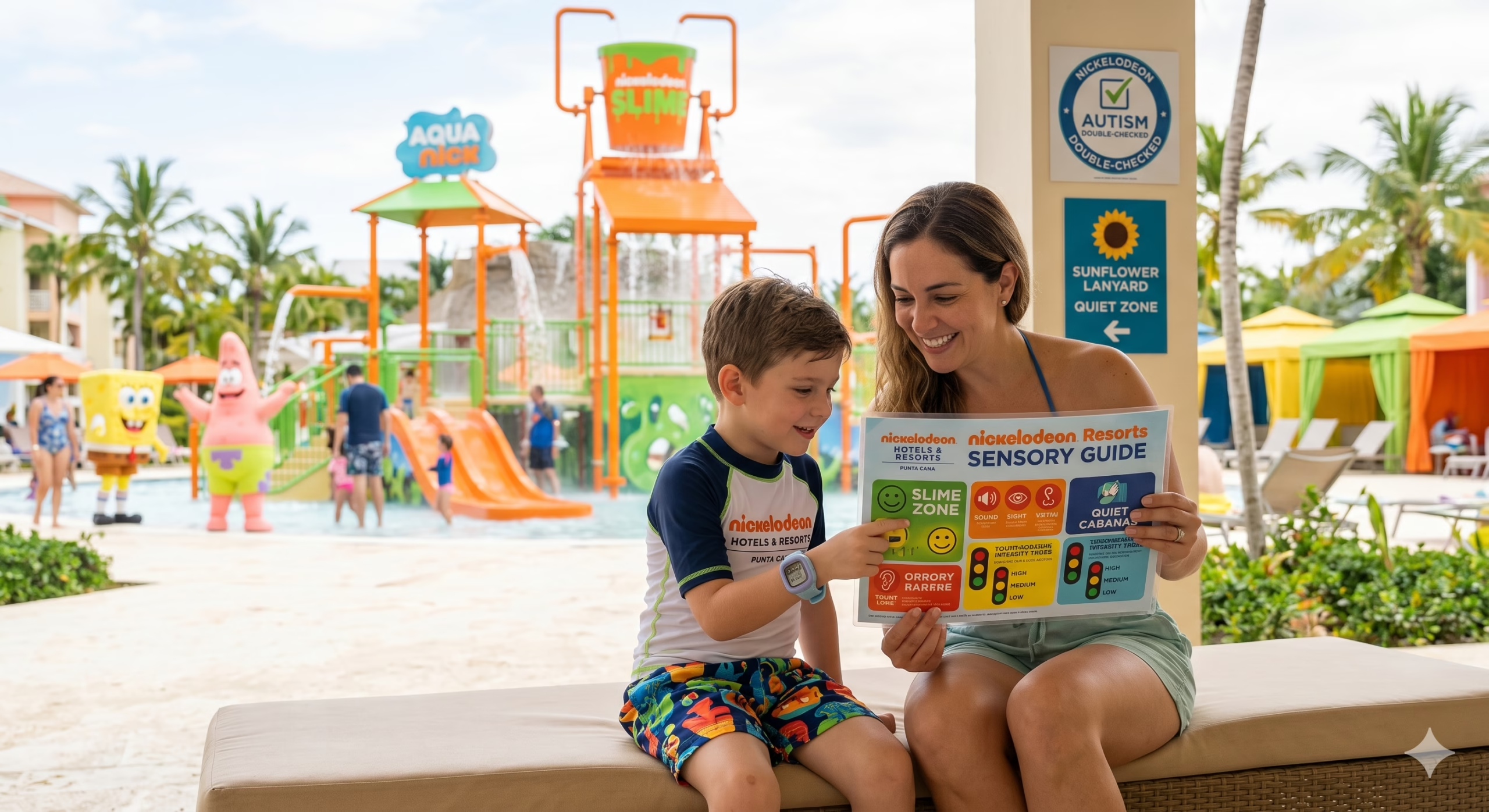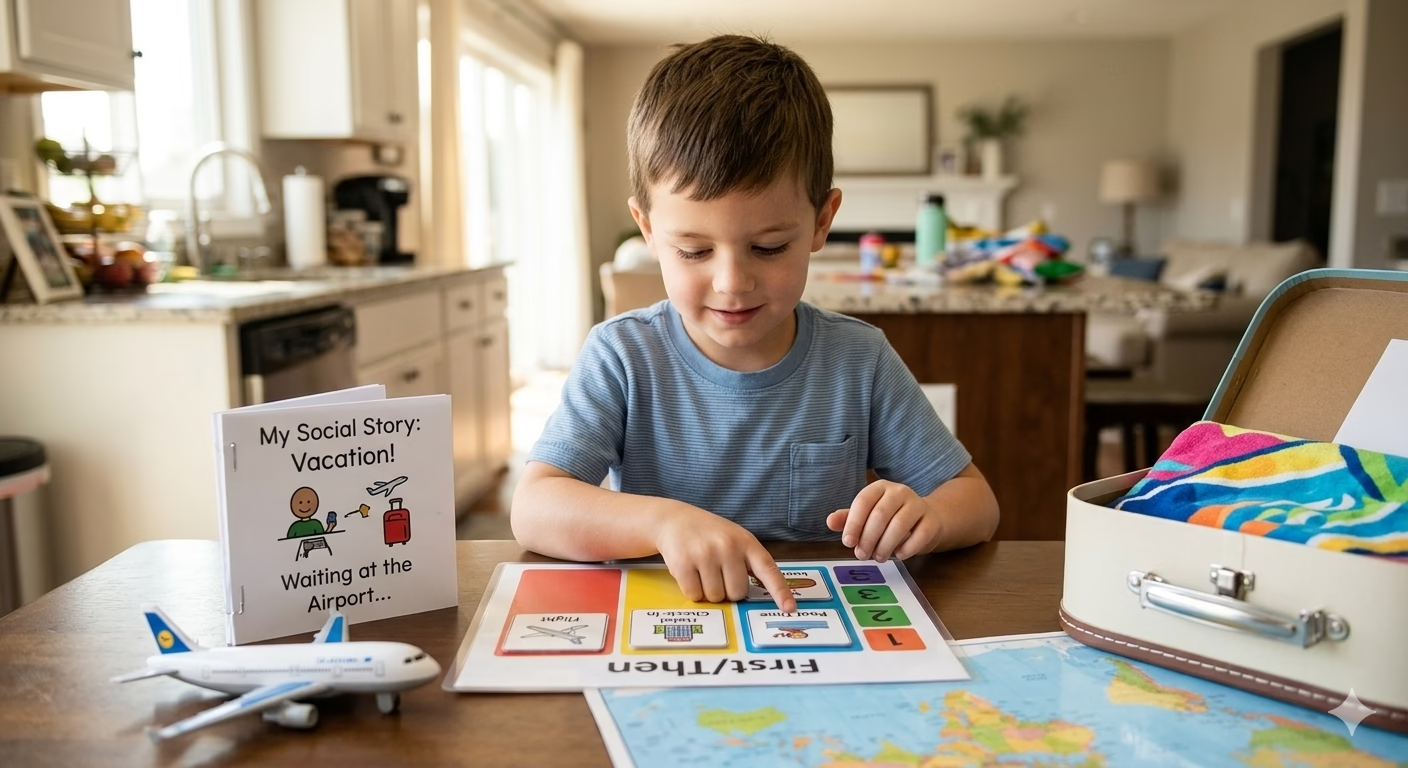
Choosing a vacation destination when you have a family member with Autism or an Intellectual and Developmental Disability (IDD) is about more than just finding a “friendly” staff. While certifications like IBCCES or Autism Double-Checked are vital, the physical environment of a resort can be the difference between a relaxing retreat and a high-stress struggle.
Even the most well-trained staff cannot change a poorly designed building. When you are vetting your next stay, use this checklist to look “beyond the sticker” and evaluate the resort’s layout and amenities.
1. The “Escape Hatch”: Accessibility to Quiet Spaces
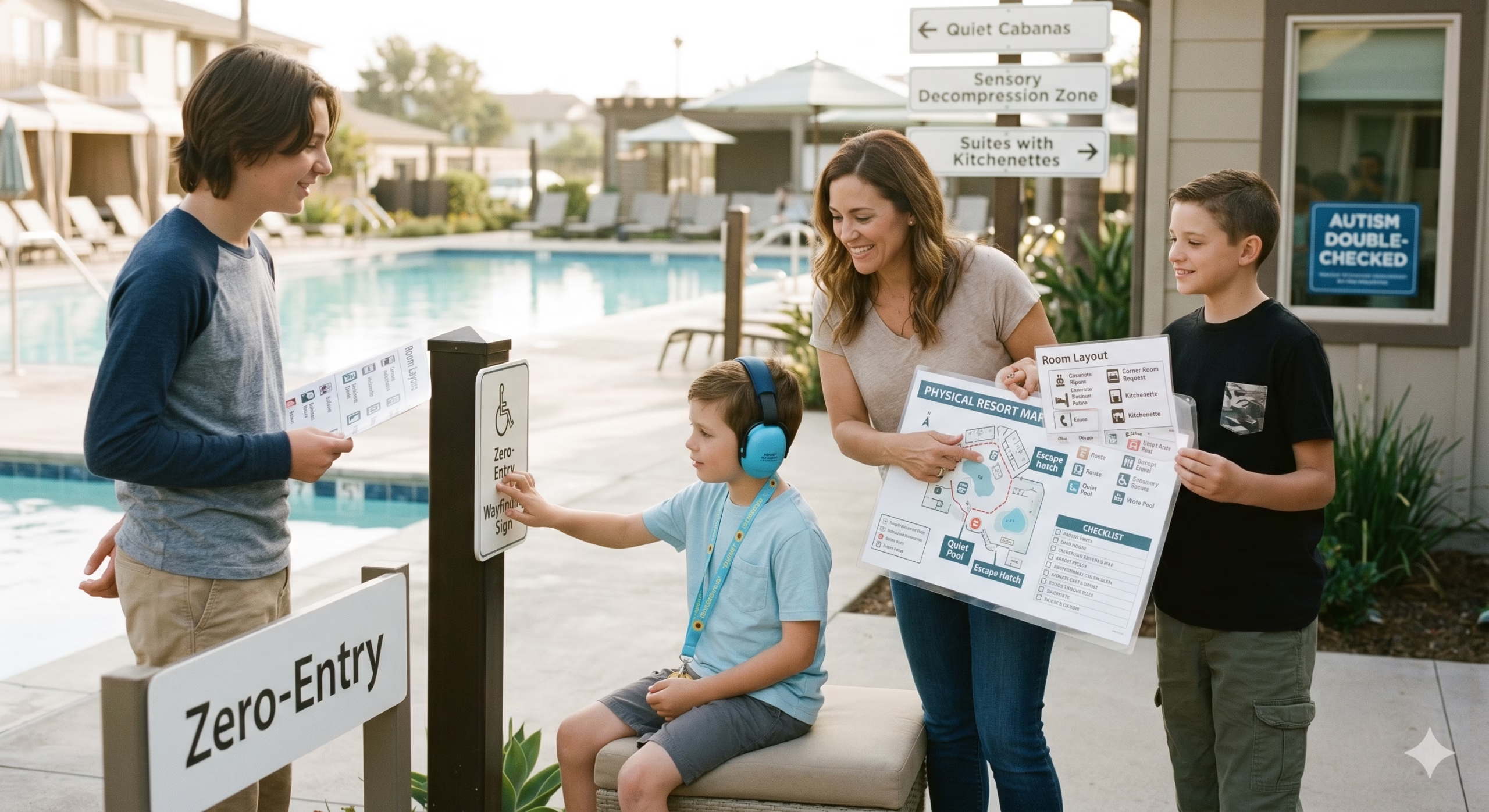
In the world of IDD travel, the “Escape Hatch” is the ability to get your family member from a high-stimulation area (like a lobby, theater, or pool) to a zero-stimulation area in under two minutes.
- The Problem: Large, labyrinth-style resorts that require multiple elevator banks or long, winding hallways to reach a room.
- What to Look For: An “open-campus” layout. Look for resorts with outdoor walkways and multiple “pocket parks” or green spaces.
- The Strategy: Before booking, check the resort map on Google Earth. If the walk from the main pool to the guest wings looks like a marathon, it might not be the right fit.
2. Room Location: The “Quiet Wing” Request
Not all rooms are created equal. A “Garden View” room might sound peaceful, but if it’s right next to the trash compactors or the employee entrance, it will be a sensory nightmare.
- Request a Corner Room: These generally have only one neighbor, significantly reducing the chance of unpredictable wall-thumping or muffled voices from next door.
- Avoid the “Pulse” Points: Stay away from rooms near elevators, ice machines, or the lobby.
- Floor Level Matters: For some, a ground-floor room is best for a quick exit to the outdoors. For others, a top-floor room is better to ensure no one is jumping or walking loudly overhead.
3. The “Safe Food” Infrastructure: Kitchenettes vs. Buffets
Buffets are often the “default” for inclusive resorts, but they are sensory chaos—clinking plates, loud chatter, and a mix of overwhelming smells.
- The Power of the Kitchenette: Look for “Suite” style resorts (like Residence Inn, Homewood Suites, or specialized family resorts). Having a full-sized fridge and a microwave allows you to stick to “safe” brands and meal routines that keep your family member grounded.
- Pre-Arrival Grocery Delivery: Check if the resort allows services like Instacart or has an on-site market. Being able to stock your room with familiar textures and flavors is a massive safety net.
4. Pool Dynamics: Finding the “Secret” Water
The main pool at a resort is usually the hub of loud music, “splashing” contests, and whistles. For a sensory-sensitive child, this can be terrifying.
- Look for Multiple Pools: A great autism-friendly resort will have a “Quiet Pool” or a “Lap Pool.” These are often under-utilized and provide a much calmer environment for water play.
- Zero-Entry Pools: For family members with motor-skill challenges or those who are hesitant about water, a zero-entry (beach-style) pool is much less intimidating than a ladder or steep stairs.
5. Transition Zones: The “Middle Ground”
One of the hardest parts of travel is the “Transition”—moving from the bright, hot sun of the beach into the freezing, dark air-conditioning of a restaurant.
- What to Look For: Does the resort have covered patios or “buffer” hallways? These spaces allow the nervous system to acclimate to changes in temperature and light levels gradually.
- Visual Predictability: Check if the resort uses clear, high-contrast signage. A resort that is easy to navigate visually reduces the “cognitive load” on your family member, preventing them from feeling lost or overwhelmed.
The “Family Audit” Checklist
Before you hit “Book,” call the resort and ask these three specific questions:
- “Is there a dedicated ‘Quiet Zone’ that is always available?”
- “Can we bypass the main lobby for check-in to avoid the crowd?”
- “Which wing of the hotel has the least amount of foot traffic?”
Summary
A certification tells you the resort wants to help; the layout tells you if they can help. By prioritizing a resort with an “Escape Hatch,” kitchenette options, and multiple pool environments, you are building a safety net that allows the whole family to actually relax.